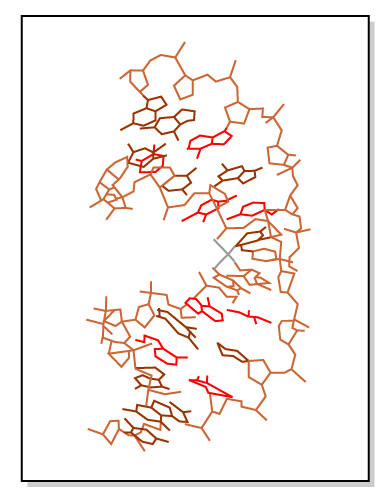
Tushar Date Estimated Reading time: 4 minutes Cisplatin is an old, platinum based anticancer drug that kills cancer cells by damaging their DNA. Its cytotoxic (cell-killing) properties were discovered by accident in the 1960s, when Barnett Rosenberg was performing experiments to analyse the effect of electric field on bacterial growth. He observed that bacterial proliferation... Continue Reading →
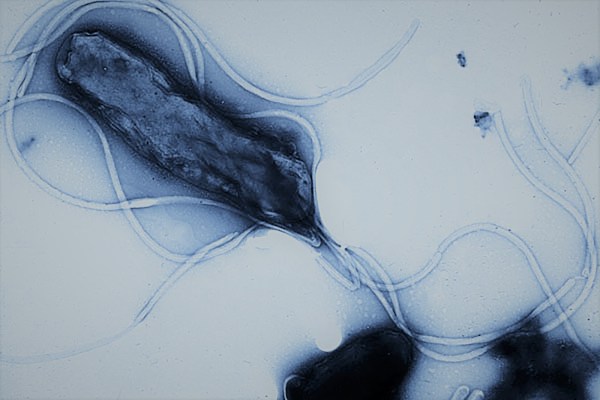
Bacterial Infection Is a Significant Cancer Risk Factor
Kedar Puvar Reading time: 3 minutes Much of the time, when scientists think of cancer-causing agents, they think of DNA damage. Indeed, some of the most infamous causes of cancer, such as excessive sunlight, tobacco smoke, or environmental pollutants, act by inducing mutations in key regions of our genes which can lead to effects such... Continue Reading →
Excess Adenosine: How Cancer Cells Use The Deaths of Their Neighbors to Protect Themselves
Reading time: 4 minutes Sara Musetti As fancy as the many cancer therapies on the market may seem, the underlying goal for all cancer medicines is the same: kill cancer cells. Chemotherapies damage the DNA of rapidly dividing cells enough that the cells die, immunotherapies train the immune system to kill cancer cells, radiation causes... Continue Reading →
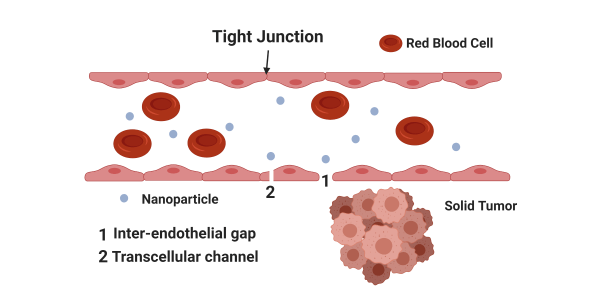
Mind the Gap? Filling the gaps in understanding of nanoparticle entry into tumors
Reading time: 4 minutes Manisit Das Nanoparticles are tiny substances, about a hundred- to thousand-fold smaller than a typical cell, or about ten thousand-fold tinier than a grain of salt. In the past, we have discussed how nanoparticles are being investigated as carriers of drugs to tumors. These investigations were in part fueled by a... Continue Reading →
Shedding some blood for cancer cure
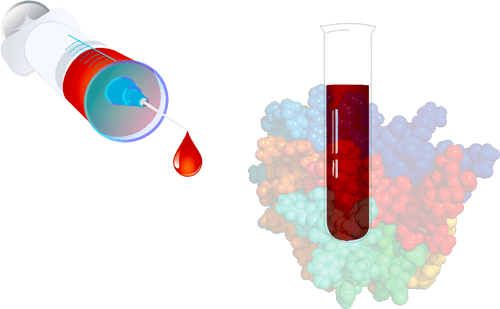
Reading time: 5 minutes Snehal Midge Breast cancer (BC) is the second highest cause of mortality worldwide. The standard clinical regimen for BC includes several modes of treatment such as chemotherapy, resection, radiotherapy, hormonal treatment, and receptor targeted therapy. Breast tumors often initially respond well to the combination of these strategies, allowing clinicians to proceed... Continue Reading →
Liquid Biopsy of Circulating Tumor HPV DNA
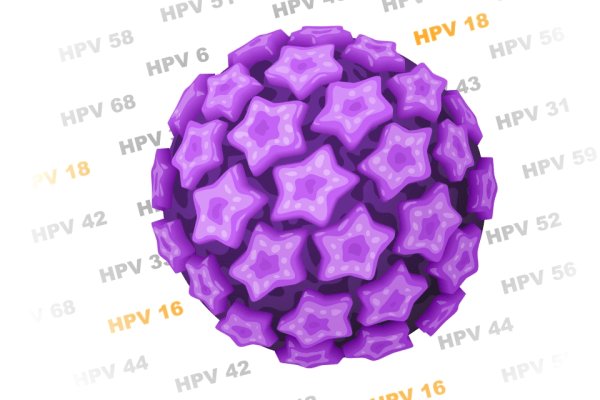
Reading time: 4 minutes Sabarish Srinivasan Introduction to Human Papillomavirus Human papillomavirus (HPV) is a small, circular double-stranded DNA virus, of which there are several strains. HPV infection is the most common sexually transmitted infection (STI) in the US. Unfortunately, this infection is difficult to identify, as it is asymptomatic in the majority of cases,... Continue Reading →
How liquid biopsies could help monitor cancer treatment
Reading time: 3 minutes Alejandra Canales Finding treatments for lung cancer is hard because, simply-put, cancerous cells are extremely stubborn, and patients with non-small cell lung cancer can often acquire resistance to a treatment regimen. Researchers have been exploring the feasibility of “liquid biopsies,” whereby a non-invasive blood sample could be used to obtain information... Continue Reading →
Trispecific Antibody- Another approach to cancer immunotherapy
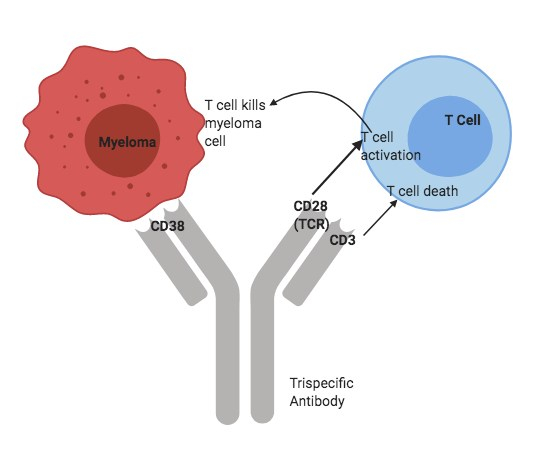
Reading time: 4 minutes Aishwarya Subramanian At Oncobites we've covered the exciting emerging field of immunotherapy to treat cancer, some of which include PROTACs and BiTE molecules . Recently, significant advances have been made when trying to come up with cutting edge ideas for cancer treatment. With the recent changes in the landscape of cancer... Continue Reading →
How does a drug get approved?
Reading time: 5 minutes Bekah Schulz The Food and Drug Administration (FDA) is often criticized by patient advocacy groups for taking too much time to approve life-saving drugs. However, the FDA is a difficult situation; if they approve a drug too quickly and it turns out to be unsafe/ineffective, then people are upset. If they... Continue Reading →
Oncohistones and their role in pediatric cancers and other human cancers
Reading time: 5 minutes Jessica Desamero DNA is a two-stranded molecule that carries all our genetic information in the form of a code made up of four bases arranged in specific sequences. DNA has its own section of the cell, the nucleus, which serves to protect and contain it. As the cell divides and the... Continue Reading →
Understanding how monoclonal antibody therapies work in solid tumors
Reading time: 4 minutes Zoey Tang In the world of anticancer therapy, there are a lot of drugs that belong to a class of proteins called monoclonal antibodies (mAbs) These Y-shaped proteins can tightly hug other proteins- including disease targets on tumor cells- with both of their arms, making the tumor cells die. Moreover, unlike... Continue Reading →
The Double-Edged Sword of Collagen
Reading time: 4 minutes Sara Musetti If you’ve heard of collagen, it’s likely been in articles raving about its benefits. Maybe it was in the recent collagen broth craze, when everyone from Halle Berry to Dr. Oz claimed that the collagen in bone broth could prevent aging, improve your hair, cure arthritis, and so on.... Continue Reading →
Now You See Me: Boosting Tumor Antigen Expression to induce Anticancer Immunity
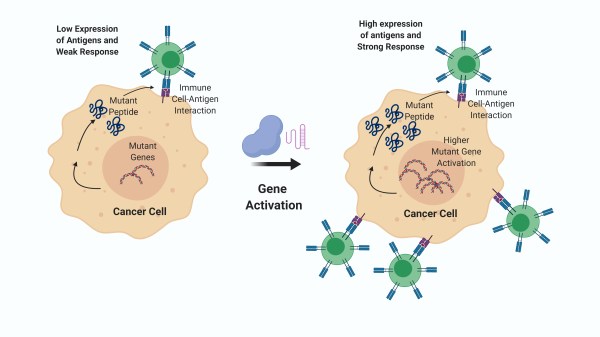
Reading time: 4 minutes Manisit Das From the early days of OncoBites, we are trying to share with you the reasons we get cancer. Cancer arises when the DNA in our cells is altered due to irreparable mistakes in the cellular machinery or environmental effects. If a mistake happens in the proteins that help repair... Continue Reading →
Paying for cancer care: a primer on the Oncology Care Model
Reading time: 4 minutes Swetha Srinivasan If you’ve been following the Democratic primary presidential debates, then you’re likely familiar with the spirited debate around the future of the healthcare system in the US, as well as the question: “How will we pay for it?” The world of health policy research has been evaluating on-the-ground solutions... Continue Reading →
Diet and Cancer
Reading time: 5 minutes Emily Bonacquisti With celebrity endorsements, social media, and your local personal trainers promoting the latest fad-diet, you’re probably hesitant to believe that any diet can do little more than shed the winter weight. However, behind the social media posts, there does exist significant amounts of science behind studying all types of... Continue Reading →
Gold Nanoparticles – The future of cancer diagnosis and therapy?
Reading time: 5 minutes Garima Khanna Figure 1: Gold Nanoparticles Gold nanoparticles (GNPs) possess exceptional characteristics, including high surface area to volume ratio, easy synthesis, surface chemistry, multi functionalization, stable nature and surface plasmon resonance. Because of these unique properties, they are emerging as a powerful tool for early tumor diagnosis and chemotherapeutic drug delivery... Continue Reading →
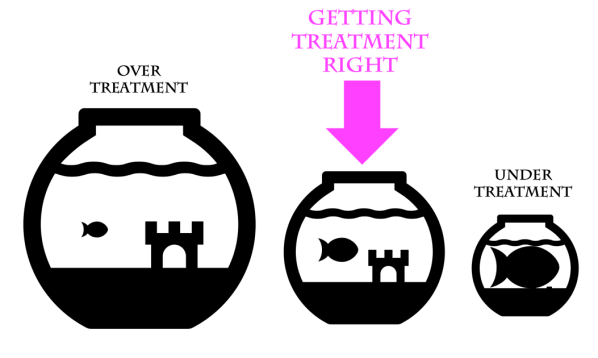
Getting Cancer Treatment Right: when more is not always better
Reading time: 7 minutes Patty Spears There is a lot of effort to find new drugs to treat cancer. When a new drug works well, we all cheer when it is approved and then use the new drug the same way in all patients. Then we move to the next new drug. But, should we... Continue Reading →
Cancer’s Got Nerve
Reading time: 4 minutes Nisitha Sengottuvel Cancer’s got nerve. We began discussing this earlier in the month with a blog post by Katelyn Fleishem. While neuronal activity has been implicated in the progression of tumor progression in prostate cancer, stomach cancer, colon cancers among others, the mechanisms of what role these neurons play are just... Continue Reading →
PROTACs: Building better therapies
Reading time: 5 minutes Tamara Vital How do you stop an accident from happening? You could try to prevent the conditions that contribute to accidents by establishing rules that encourage and reward caution and safe behavior. On the road, licensing laws, traffic lights, and speed limits set the rules of the road, and those who... Continue Reading →
Thank You Sports
Reading time: 4 minutes Taylor A. Johnson As we proceed through the fall season, we can enjoy the changes in weather, the various holidays, and the many offerings the sports world has to offer us. For the past few years, we have even been treated to the rare Sports Equinox; a day where four major... Continue Reading →
The Other EMT: Exploring the controversial driver of metastasis
Reading time: 5 minutes Keighley Reisenauer Google “EMT,” and you’re likely to see images of paramedics and ambulances. However, there is another EMT that plays a much different role in disease and illness. Epithelial to mesenchymal transition (EMT) is normally associated with processes such as wound healing and development. Cancer hijacks EMT to participate in... Continue Reading →
A Profile of Electric Fields in Cancer Therapeutics: Part 2- Irreversible Electroporation Therapy
Reading time: 4 minutes Michael Marand In my last article, A Profile of Electric Fields in Cancer Therapeutics, I discussed Optune System, an electric field therapy for glioblastoma that disrupts cancer cell division and results in extended patient survival. I also presented an overview of some other potential applications of electric fields in cancer therapeutics,... Continue Reading →
Exercise as Cancer Therapy
Reading time: 3 minutes Larissa Biggers You have probably heard that exercise can ward off all sorts of health problems, including type 2 diabetes, stroke, and even cancer. But did you know that it can aid in recovery and even prevent the spread of metastatic colorectal cancer? Exercise and cancer progression Current research out of... Continue Reading →
Finding a Cure to Aging and Cancer?
Reading Time: 4 minutes Daniel Zhong Imagine this scenario: You are 90 years old, with gray hair and wrinkled skin. You always carry around a walking cane everywhere you go because the slightest movements from sitting down on a chair to brushing your teeth in the morning cause you tremendous pain in your joints, muscles,... Continue Reading →
Using Oncolytic Viruses to Fight Cancers
Reading time: 5 minutes Payal Yokota Can viruses be heroes? It is well-known that some viruses can cause severe infections in the body. However, when modified in the correct way, these small molecular entities can be used as an additional arsenal in the immune tool bag, to kill even bigger and scarier enemies… such as... Continue Reading →
Making New Connections: Possible Cross-Talk Between Tumors and the Brain
Reading time: 3 minutes Kaitlyn Felsheim The nervous system is integral for communication between the brain and the rest of the body. It is responsible for relaying messages to breathe, eat, feel, blink, and perform other vital tasks. Neurons play a huge role in tissue development and specification, and it turns out that cancer cells... Continue Reading →
Repurposing FDA approved drugs for cancer therapy
Reading time: 2 minutes Rachel Cherney *This article does not take the place of professional medical advice. Consult with your doctor* One of the most limiting aspects of drug development is the time it takes to design, optimize, and implement new drugs, which in turn limits patient treatment and survival. Unfortunately, for patients suffering from... Continue Reading →
Understanding the heterogeneity of triple-negative breast cancer to develop targeted therapies
Reading time: 3 minutes Aishwarya Subramanian Breast cancer has shown to be a really aggressive condition. About 12% of the women in the US are known to develop invasive breast cancer, where the disease spreads into surrounding healthy tissues [a]. Now it is well established that breast cancer is a very heterogeneous disease. Genome studies... Continue Reading →
Ulcers after Cancer Therapy – New Directions
Reading time: 5 minutes Kate Secombe Cancer treatment- it’s not fun! The treatment can take hours in the hospital, it makes you feel fatigued and has a range of difficult side-effects, including nausea, vomiting, hair loss, and memory problems. But today, I want to focus on one, in particular, mucositis, and look at the research... Continue Reading →
Many Anticancer Targets Could Be A Mirage
Reading time: 4 minutes Kedar Puvar Designing new anticancer compounds is often a deliberate process, where the mechanism of action involves the blocking of a certain target, like a receptor or other cellular protein. Researchers would then optimize potential leads until a potent and effective drug is ready for clinical trials. This pipeline is considered... Continue Reading →