Are humans immune to CRISPR/Cas9 gene editing?

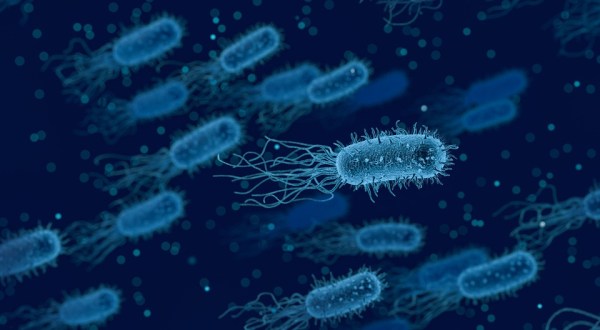
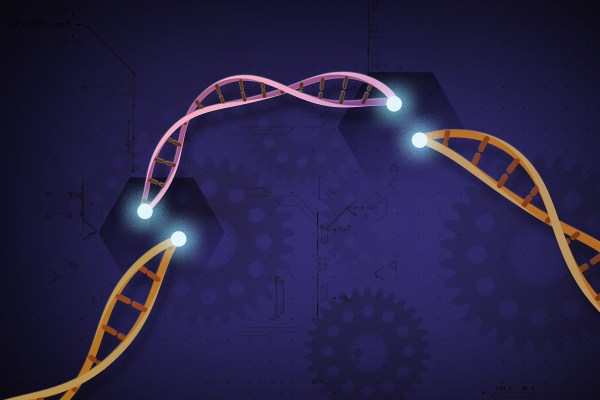
Reading time: 4 minutes Morgan McSweeney CRISPR-Cas9 is the molecular gene editing system that has inspired hopes for a solution to genetic disease. By studying how bacteria use the CRISPR-Cas system to defend themselves against bacteriophages (viruses that infect bacteria), scientists have developed methods to use those same molecular scissors to cut out human genes... Continue Reading →

Double agents save the day?

Reading time: 6 minutes Manisit Das Sometimes double agents can be critical players in changing the course of conflicts, wars, and history. If you are a Potterhead like me, you are probably aware of how Professor Severus Snape played an important role in the wizarding world of Harry Potter. He instigated many of the major... Continue Reading →

The Sweet Method of Cancer Detection

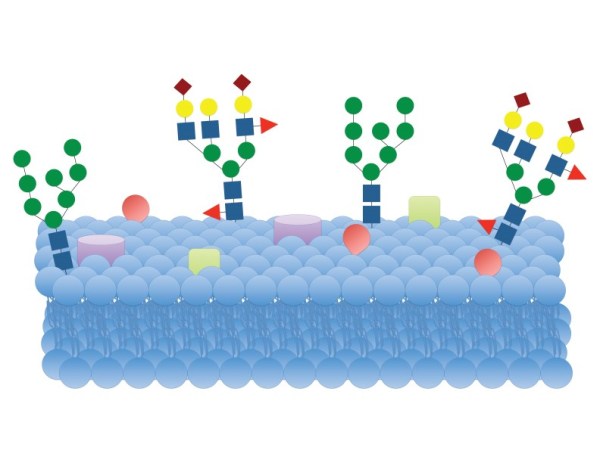
Kaye Alcedo Time is of the essence when it comes to the battle with cancer. Detecting tumors at an early stage increases the chance of patient survival to more than 80%. However, despite today’s advancing technology, about 48% of patients get diagnosed at a very late stage. This is because screening methods of many, if... Continue Reading →

A CAR-T therapy without the T-cells

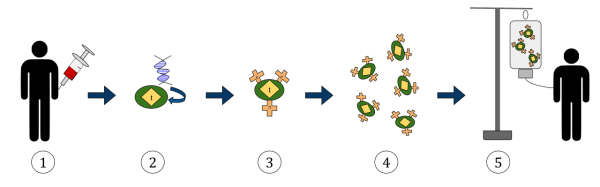
Varshit Dusad Imagine a dystopian world. Here, some citizens of an otherwise well-functioning state have gone rogue and are running an anti-national agenda. They are always plundering the natural resources meant to be evenly distributed among the population. They are quite cunning as they start slowly by deviating from the laws of their natural order... Continue Reading →

Vaccines as Cancer Prevention and Therapies

Rachel Cherney Cancer is a complex set of diseases, characterized by uncontrolled growth and metastasis, destroying important organs and bodily systems. It can occur in almost any part of the body, and in most cases, it is impossible to determine how or when it will develop, certain genetically linked cancers perhaps being an exception. Because... Continue Reading →

The Reproducibility Crisis

Morgan McSweeney As Alex Woodell recently described, the preclinical research community is in a quiet crisis. Somewhere between 50% and 90% of results from early-stage academic cancer research are unable to be reproduced by industry scientists. Studies by several large multinational pharmaceutical companies and a number of other independent research groups have confirmed what they... Continue Reading →

Dealing With The Pitfalls of Checkpoint Security

Jason Tetro If you’ve ever traveled internationally, you know you need a passport. This document is your access pass to the world. What you might not know is that this rather plain looking document is filled with a variety of different checkpoints to ensure authenticity. Some passports have biometric chips, others have incorporated images only... Continue Reading →

Putting tumor cells to sleep

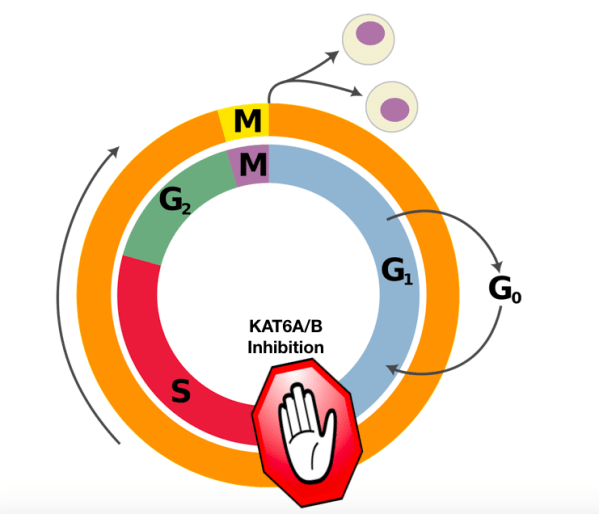
Yitong Li How to treat cancers has always been one of the biggest challenges in modern medical practice. While current chemotherapies and radiotherapies have shown significant progress, not all patients survive treatment, and only a portion of those who survive do so without suffering from significant trauma. Hence, early diagnosis and safer treatments are the... Continue Reading →

The Reproducibility Project

Alex S. Woodell As members of the biomedical research community, we are all familiar with the basic structure of the scientific method. We make an observation that identifies a problem, form a hypothesis based on known information, perform experiments to test this hypothesis, then draw conclusions that drive future research. However, there is a fifth... Continue Reading →

The curious case of cancer metabolism

Varshit Dusad Methotrexate is one of the earliest drug discovered for treatment of cancer. It is listed by WHO as one of the essential medicines and has been used to treat various forms of cancer. Methotrexate has had such broad success across cancer subtypes due to its unique mechanism of action. Inside tumors, it attacks... Continue Reading →

Drinking artificially-sweetened beverages instead of sugar-sweetened beverages is linked to improved colon cancer outcomes

Zina McSweeney The consumption of sugar-sweetened beverages is associated with worse colon cancer outcomes, according to research published by Brendon Guercio et al. on July 19th, 2018. Among 1,018 patients with stage III colon cancer, researchers found that replacing one 12-ounce sugar-sweetened beverage (SSB) with an artificially-sweetened beverage (ASB) was estimated to lead to a... Continue Reading →

Making cancer therapy smarter

Sara Musetti Last week on OncoBites, Beth Rogoski of PhDoodles shared with us the story of liquid biopsies, blood tests that can be used to detect cancer and evaluate treatments. Today, in a follow-up piece, we’ll go into more detail as to what technologies are making their way to market, how liquid biopsies can be... Continue Reading →

Beth Rogoyski Most would consider a blood test a bit of a pain in the arm, but except for the fantastically needle-phobic, generally not something that would keep you awake at night. Contrast that to the sentiments that spring to mind when you hear the word chemotherapy, and the two couldn’t seem more dissimilar. Despite... Continue Reading →

Create a website or blog at WordPress.com

Up ↑