Varshit Dusad Imagine a dystopian world. Here, some citizens of an otherwise well-functioning state have gone rogue and are running an anti-national agenda. They are always plundering the natural resources meant to be evenly distributed among the population. They are quite cunning as they start slowly by deviating from the laws of their natural order... Continue Reading →
Vaccines as Cancer Prevention and Therapies
Rachel Cherney Cancer is a complex set of diseases, characterized by uncontrolled growth and metastasis, destroying important organs and bodily systems. It can occur in almost any part of the body, and in most cases, it is impossible to determine how or when it will develop, certain genetically linked cancers perhaps being an exception. Because... Continue Reading →
Kadcyla: The Next Standard in Breast Cancer Therapy?
Taylor A. Johnson October is the official month of breast cancer awareness. Breast cancer is one of the most common forms of cancer, especially in women. Last year alone, the American Cancer Society estimated over 300,000 new cases of breast cancer would develop in men and women, and over 41,000 would pass away from breast... Continue Reading →
Diet-based measures can reduce the risk of cancer- fact or fake news?
Ananya Sen It has been widely proven that there is a correlation between weight and cancer. Being overweight increases the cancer risk 52-62% compared to people with a healthy weight because excess body fat causes an increase in hormones that promote tumor growth. This result begs the question- is there a link between diet and... Continue Reading →
The Reproducibility Crisis
Morgan McSweeney As Alex Woodell recently described, the preclinical research community is in a quiet crisis. Somewhere between 50% and 90% of results from early-stage academic cancer research are unable to be reproduced by industry scientists. Studies by several large multinational pharmaceutical companies and a number of other independent research groups have confirmed what they... Continue Reading →
Cancer Immunotherapy wins the 2018 Nobel Prize
Sara Musetti and Manisit Das Early October is an exciting time of the year when people all over the world turn their eyes to Stockholm to see the winners of the Nobel Prize. Yesterday, James Allison and Tasuku Honjo jointly won the 2018 Nobel Prize in Medicine or Physiology for their work discovering the function... Continue Reading →
Dealing With The Pitfalls of Checkpoint Security
Jason Tetro If you’ve ever traveled internationally, you know you need a passport. This document is your access pass to the world. What you might not know is that this rather plain looking document is filled with a variety of different checkpoints to ensure authenticity. Some passports have biometric chips, others have incorporated images only... Continue Reading →
Profiling the killer: Using gene sequencing to guide management in pancreatic cancer
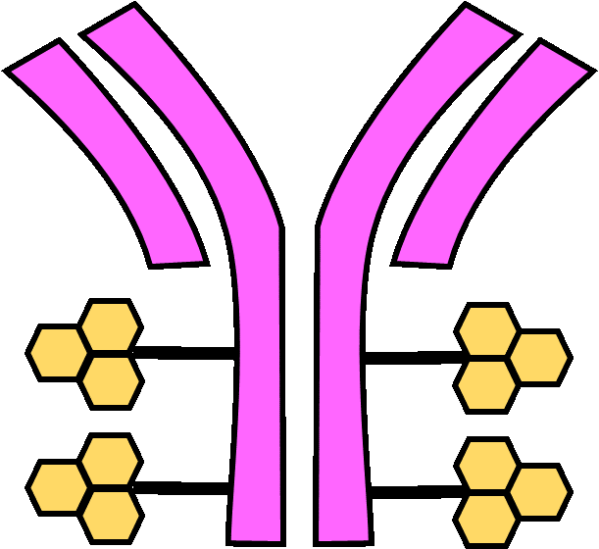
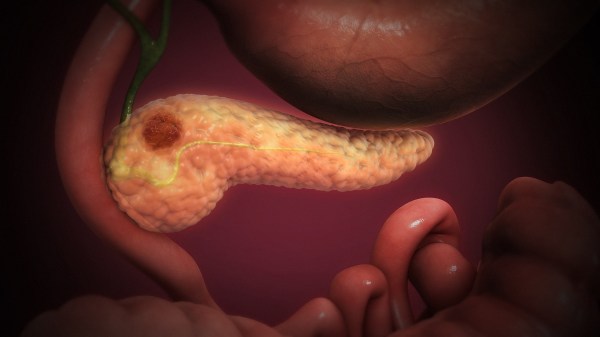
Manisit Das In earlier OncoBites articles, we discussed how genetic testing is increasingly used to guide cancer management. Cancer arises due to changes in our DNA sequences that make up our genes, which we refer to as gene mutations. By analyzing the genetic signatures within the tumor, clinicians can make better-informed choices to streamline the... Continue Reading →
Oncology’s White Whale: Crossing the Blood-Brain Barrier
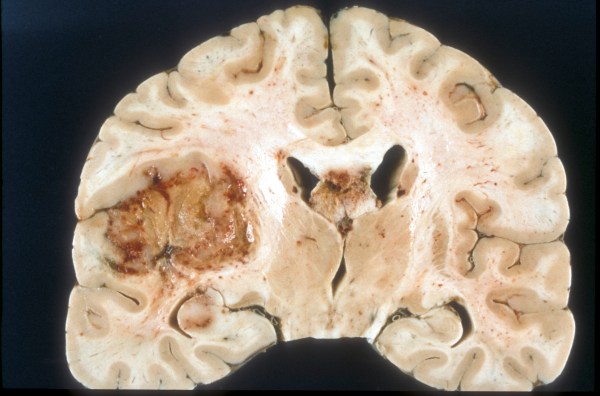
Sara Musetti When someone says the word “cancer.” it can tie knots in the guts of even the strongest among us. There is no pretending that cancer isn’t a terrifying phenomenon that has touched most of our lives. Very few cancers, however, are able to elicit the chill that brain cancer does, in patients, family... Continue Reading →
When math meets lab: The power of modeling in cancer biology
Varshit Dusad 'All models are wrong, some are useful!' - George Box The advancement of biological research relies on understanding how the different moving parts interact with each other, forming an integrated system. To better understand a system we often resort to models which help us develop a logical framework of these interactions, offering us... Continue Reading →
Putting tumor cells to sleep
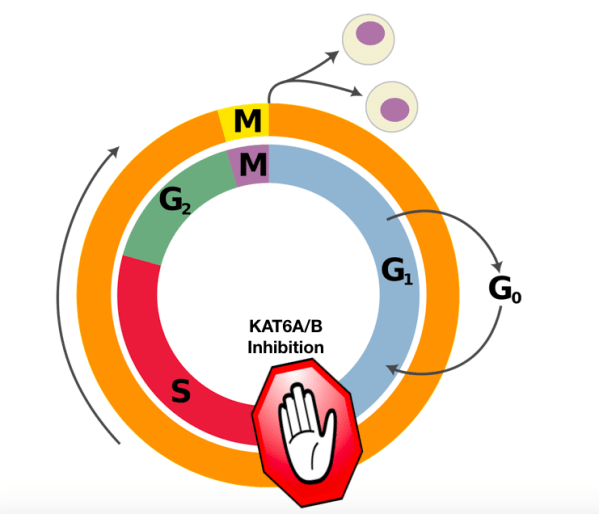
Yitong Li How to treat cancers has always been one of the biggest challenges in modern medical practice. While current chemotherapies and radiotherapies have shown significant progress, not all patients survive treatment, and only a portion of those who survive do so without suffering from significant trauma. Hence, early diagnosis and safer treatments are the... Continue Reading →
Helping Our Body’s Killers Kill off Cancer, Naturally
Nisitha Sengottuvel At OncoBites, we’ve talked about many facets of cancer, the many internal and external factors that can affect tumor growth, and the established and developing methods to detect and treat cancer. We’ve also begun to cover the many ways in which biomedical science falls short in effectively treating cancer. Being diagnosed with cancer... Continue Reading →
Glioblastoma: The Ultimate Game of Hide and Seek
Kaye Alcedo Politics aside, we recently lost one of our public servants who dedicated more than 40 years of service to our country. Towards the end of his life, Senator John McCain suffered from glioblastoma, a very aggressive and malignant type of brain cancer. Currently, the standard treatment for glioblastoma relies on surgery, radiation, and... Continue Reading →
The Reproducibility Project
Alex S. Woodell As members of the biomedical research community, we are all familiar with the basic structure of the scientific method. We make an observation that identifies a problem, form a hypothesis based on known information, perform experiments to test this hypothesis, then draw conclusions that drive future research. However, there is a fifth... Continue Reading →
Cancer Resistance – Insights from the Animal Kingdom
Rachel Cherney Most of us have been affected by cancer, whether we ourselves or someone we know has been diagnosed. It can be caused by various lifestyle habits, external or environmental factors, and genetics, and it’s extremely prevalent; as of 2015, 1 in 6 deaths worldwide was due to cancer. As described in a previous... Continue Reading →
Can mental state affect tumor growth? The link between psychology, immunology, and oncology
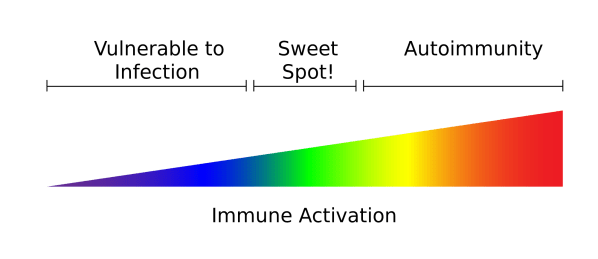
Shaye Hagler At Oncobites, we’ve been talking a lot about the role of immunity in cancer. Understanding the immune system is vital to understanding both what drives cancer and what protects us against it. One of the biggest paradoxes in cancer research is that immune system activation is important in fighting cancer via a process... Continue Reading →
A New Suspect In The Search For The Cause of Cancer
Jason Tetro What causes cancer? It’s a question that has been asked for millennia (Sudhakar, 2009) yet no concrete answer has been found. In the 4th Century BCE, Hippocrates believed the answer lied in the presence of “black bile,” which to him was one of the four major humors in the body. Over the centuries,... Continue Reading →
The curious case of cancer metabolism
Varshit Dusad Methotrexate is one of the earliest drug discovered for treatment of cancer. It is listed by WHO as one of the essential medicines and has been used to treat various forms of cancer. Methotrexate has had such broad success across cancer subtypes due to its unique mechanism of action. Inside tumors, it attacks... Continue Reading →
Drinking artificially-sweetened beverages instead of sugar-sweetened beverages is linked to improved colon cancer outcomes
Zina McSweeney The consumption of sugar-sweetened beverages is associated with worse colon cancer outcomes, according to research published by Brendon Guercio et al. on July 19th, 2018. Among 1,018 patients with stage III colon cancer, researchers found that replacing one 12-ounce sugar-sweetened beverage (SSB) with an artificially-sweetened beverage (ASB) was estimated to lead to a... Continue Reading →
Feeling the ‘heat’ from neighbors: Microenvironment driving cancers in the gut
Manisit Das Not long ago Tamara mentioned in her OncoBites article that it is often hard to determine what factors drive cancer. Even after a mutation responsible for fueling cancer growth is identified, we do not always know how that mutation contributes to tumor formation. Understanding these mechanisms is however quite important. As we gain... Continue Reading →
Making cancer therapy smarter
Sara Musetti Last week on OncoBites, Beth Rogoski of PhDoodles shared with us the story of liquid biopsies, blood tests that can be used to detect cancer and evaluate treatments. Today, in a follow-up piece, we’ll go into more detail as to what technologies are making their way to market, how liquid biopsies can be... Continue Reading →
Beth Rogoyski Most would consider a blood test a bit of a pain in the arm, but except for the fantastically needle-phobic, generally not something that would keep you awake at night. Contrast that to the sentiments that spring to mind when you hear the word chemotherapy, and the two couldn’t seem more dissimilar. Despite... Continue Reading →
Expanding the network: new connections for an old driver in kidney cancer
Tamara Vital By now you’re probably noticing a running theme at OncoBites: cancer is complicated. Cancers have many moving parts, and despite our best efforts it can be difficult to know what factors drive them. Even when we have identified causal mutations in genes, it can be difficult to figure out how these mutations contribute... Continue Reading →
From worms to cures
Emily B. Harrison, Ph.D Last month I attended the first RNA Therapeutics Conference held at University of Massachusetts Medical School. While I have attended several national conferences, this one beautifully encapsulated how basic science can lead to new drugs in only two decades. This conference inspired me to share with you the story of RNA... Continue Reading →
Immune cells work together to enable successful cancer therapy
Morgan McSweeney A group of researchers from the University of California - San Francisco recently found that the presence of a certain group of immune cells in tumors (“stimulatory dendritic cells,” or SDCs) can predict better cancer outcomes, at least in melanoma patients. For example, in patients treated with checkpoint inhibitors (drugs that work by... Continue Reading →
Stumbling before the beast: Not all cancer clinical trials end in drug approval
Manisit Das Since the beginning of OncoBites, we’ve talked a lot about immunotherapy: using our own immune cells to destroy the cancer cells? We can’t get enough of it! In one post, we highlighted a revolutionary approach recently approved by the US Food and Drug Administration (FDA) using genetically modified immune cells to fight cancer,... Continue Reading →
Cancer-Curing Light
Sara Musetti The story of cancer is almost as old as the story of humans. As far back into ancient times as the 15th century BCE in Egypt, physicians have struggled to offer their patients any sort of relief from slowly spreading tumors. If tumors were visible to the naked eye--on the skin, breasts, neck,... Continue Reading →
Where you live and how much money you make affects your likelihood of surviving cancer
Elizabeth Wayne, Ph.D. When we talk about cancer research we are probably just thinking about scientists in lab coats, gloves, and safety goggles looking at test tubes full of cancer cells. While this is true, cancer research doesn’t just happen in a test tube or broadly, in a laboratory. The practice of studying cancer from... Continue Reading →
Bone found to abet Lung Cancer
Natasha Vinod Rudolph Virchow was one of the first physicians to study diseases from the standpoint of cells. He applied his cell theory “Omnis cellula e cellula” ("every cell originates from another cell") to the study of cancer and reasoned that cancer results from the failure of the regulatory mechanism of the cells to control... Continue Reading →
New frontiers in breast cancer management
Tamara Vital Over the last several decades, the survival rate for most kinds of breast cancer have increased due to earlier detection, new targeted therapies, and combination treatment modalities. As we’ve discussed before at Oncobites, cancer is not a single disease. It turns out that multiple distinct subtypes exist even within the category of “breast... Continue Reading →