Immunotherapies for Ovarian Cancer Treatment

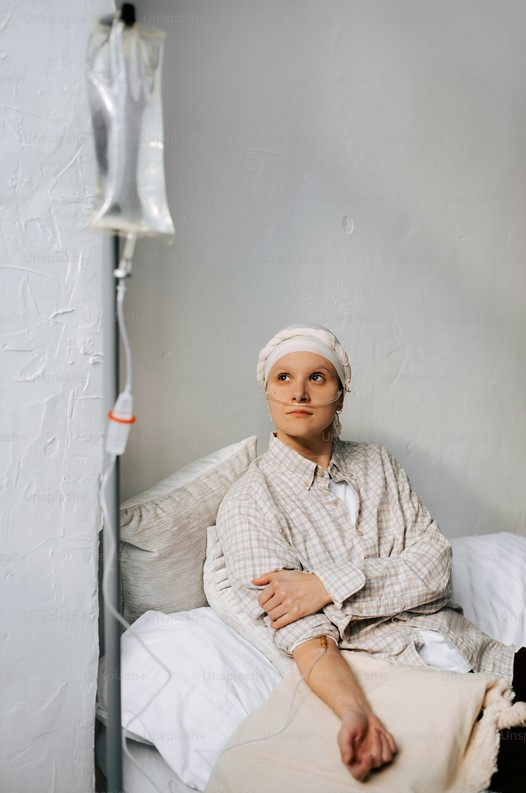
Reading time: 7 minutes Lubna Najm Ovarian cancer is one of the top ten most common malignancies to affect women and females worldwide (NIH National Cancer Institute, 2025; Wang et al., 2025), with a 51.6% five-year survival rate (NIH National Cancer Institute, 2025). Named the ‘silent killer’ amongst women-prevalent diseases because its symptoms are either... Continue Reading →

A New Potential Therapeutic Approach Targeting Cancer Metabolism: Adipose Manipulation Transplantation (AMT)

Reading time: 8 minutes Colin Ong Altered Metabolism in Cancer Cells Metabolic rewiring is one of the key features of cancer cells1. These cells display altered metabolism as a way to meet their constant energy needs. This increased energy requirement is essential for the continuous proliferation and survival of these cells within the tumor microenvironment.... Continue Reading →

Double Trouble for Cancer: The Rise of Bispecific Antibodies

Reading time: 5 minutes Dolores Mruk, PhD Cancer treatments have come a long way since the early 1900s, evolving from chemotherapy and radiotherapy to more targeted interventions. One promising approach involves the use of bispecific antibodies (bsAbs)—engineered molecules that help in fighting cancer. Today, these immunotherapies are being studied across different malignancies, with a particular... Continue Reading →

Hepatic Arterial Infusion Chemotherapy

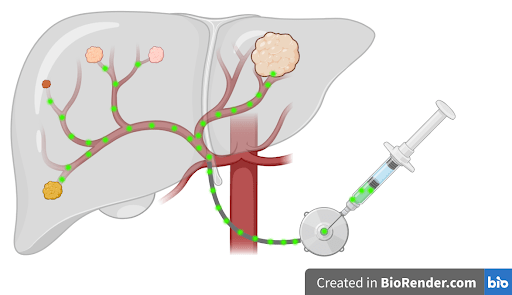
Reading Time: 4 minutes Chris Wang The liver is a uniquely important organ in your body. It filters all of your blood, produces bile to digest foods/carry away waste, and can even regenerate even after 90% has been removed. Unfortunately, the liver is also an organ where many cancers metastasize to. Colorectal cancer in particular... Continue Reading →

Putting a Backpack on Cells to Treat Cancer

Reading time: 4 minutes Colette Bilynsky The wonders of cellular therapies and immunotherapies have been often discussed here on Oncobites. But one of the challenges here is that these strategies are dependent on immune cells' ability to reach tumors and still function. However, tumors will often try to evade and stop the immune system from... Continue Reading →

Democratizing Gene Therapy Through Viruses

Reading time: 5 minutes Kelsey Woodruff Hematopoietic stem cells (HSCs) are a rare population of cells that have the capacity to differentiate into one of the many types of blood cells that keep your body healthy. Through a complex series of signaling events and carefully timed cell divisions, these cells repopulate the entire blood compartment.... Continue Reading →

DUBTACs: A new therapeutic approach targeting proteins for cancer treatment

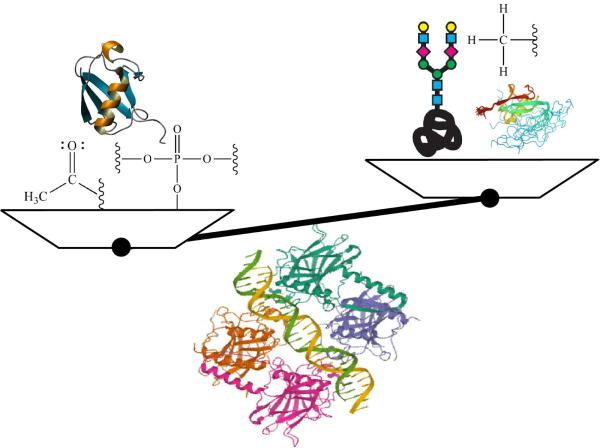
Reading time: 4 minutes Rapon Félicités While the degradation of disease-causing proteins [1] is now possible thanks to targeted protein degradation (TPD) technologies such as PROTACs [2], new targeted protein stabilization (TPS) technologies called DUBTACs [3] have been designed to stabilize and restore proteins that may promote cell proliferation when aberrantly degraded.  Tumor suppressing proteins... Continue Reading →

The Cost of Groundbreaking Cancer Treatment

Reading time: 5 minutes Colette Bilynsky New treatment strategies are almost constantly being tested in pre-clinical research and clinical trials, with many of them outlined in various OncoBites articles. This is incredibly important work as groundbreaking treatment strategies like CAR-T therapy have the capacity to radically improve patient outcomes. CAR-T therapy takes the patient's own... Continue Reading →

Spatiotemporal Degradation of a Specific Protein as a New Cancer Therapy

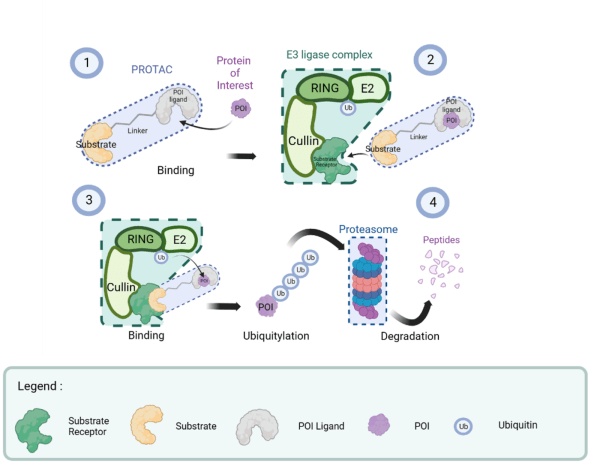
Reading time: 12 minutes Felicites Rapon Recently, chemically engineered molecules have been produced to incite the degradation of a given protein. These molecules are called PROTACs [1], which stands for PROteolysis-TArgeting Chimeras.  How does the degradation of a protein work? The degradation of a protein, also called proteolysis, is achieved by the mechanism of ubiquitination.... Continue Reading →

Phototherapy and its potential in cancer treatment

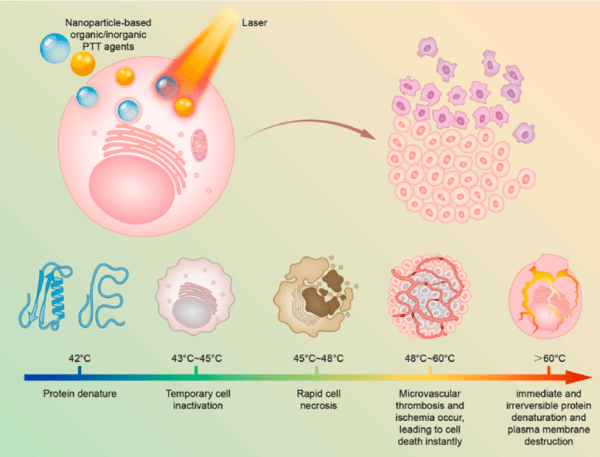
Reading time: 5 minutes Muhammad Ayhan Murtaza The word phototherapy comes from two words, “photo” and “therapy” which, evidently so, means “medical treatment using light”. The word has its roots in the older Greek language, but much like this old language, cancer is by no means a newer predicament. In fact, it actually predates human... Continue Reading →

Anti-Angiogenic Cancer Treatments

Reading time: 5 minutes Aya Elmeligy Angiogenesis is the formation of blood vessels within the body to provide oxygen and nutrients to tissues. Tumors will hijack this process to allow for continued growth and metastasis by forming their own vascular system. Microvessel density within a tumor is often used as a prognosis tool, as the... Continue Reading →

‘Ubiquitous’ Ubiquitination Pathway and Cancer

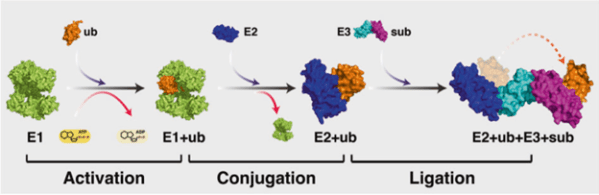
Reading time: 4 minutes Deepika Jayaprakash What is common to eukaryotic organisms like animals, plants, fungi, and unicellular organisms? Ubiquitous Ubiquitin!   Ubiquitin (ub) is a small protein found in all eukaryotes that when attached to its target protein can bring about a myriad of cellular processes. The first observed effect of ubiquitination was degradation of... Continue Reading →

How Herbal and Dietary Supplements Affect Oncologic Drugs

Reading time: 5 minutes Susan Egbert Statistics show that about 80 percent of the world’s population consume herbal/dietary supplements without specific recommendations to take them1, with some cancer patients using herbal/dietary supplements to alleviate their symptoms (e.g. pain, nausea, etc),2,3,4,5.  Generally, patients consider herbal/dietary supplements “safe” since they are “natural,” however, herb-drug interactions (HDI) (e.g.... Continue Reading →

Bacterial Fortification for Cancer Therapeutics

Reading time: 3 minutes Bhavuk Garg Cancer treatment options have undergone multiple strategic shifts over the course of the last century starting with resection and moving to chemotherapy, immunotherapy, and chemical inhibitors. Major challenges faced by many therapeutics are adverse toxic reactions inflicted on the patients and the development of therapeutic resistance due to high... Continue Reading →

Targeting Transcription Factors in Cancers

Reading time: 4 minutes Bhavuk Garg Cancers are characterized by uncontrolled growth and failure of differentiation, whereby cells lose their physiological characteristics and acquire malignant phenotypes, also known as neoplastic properties. Examining the distinct properties of cancer cells and their underlying mechanisms are active areas of investigation. Broadly, these properties are summarized as hallmarks of... Continue Reading →

Sex Differences in Cancer Therapy Safety

Reading time: 5 minutes Deanna MacNeil One goal in cancer therapy is to strike a balance between treatment efficacy and toxicity. While treatments such as surgery, chemotherapy, and radiation are meant to kill cancer cells, healthy tissues can be adversely affected in the process. Common side effects of systemic cancer treatment occur because treatments work... Continue Reading →

AI and Oncology: An Unexpected but Useful Pairing

Reading time: 4 minutes Susan Egbert Did you know that researchers are trying to integrate artificial intelligence (AI) with cancer treatments? There are plenty of studies in oncology available that range from diagnostic to treatment that are peer-reviewed (experts looking at the articles before publishing). This is useful for AI as the more data that... Continue Reading →

Create a website or blog at WordPress.com

Up ↑