Unlocking the Secrets of Pancreatic Cancer: How Super Enhancers and RNA-Binding Proteins Illuminate New Paths to Treatment

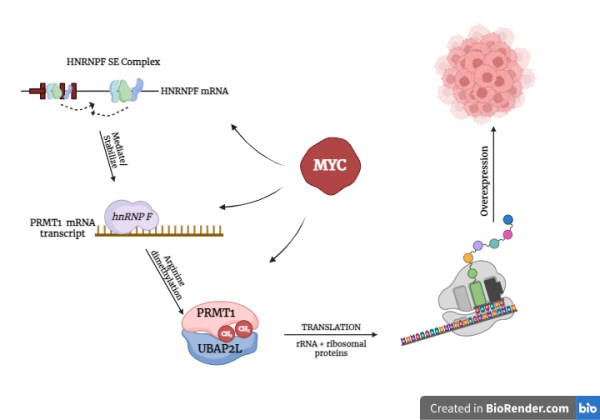
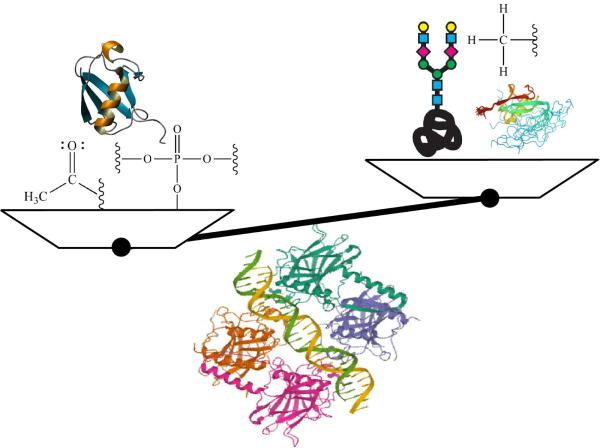
Reading time: 7 minutes Sakshi Dhavale Did you know that pancreatic cancer has the highest mortality rate among all the major cancers? Because of this, researchers are rigorously working to find a cure for this deadly cancer type. Pancreatic Ductal Adenocarcinoma (PDAC) is the most common type of pancreatic cancer and is highly lethal due... Continue Reading →

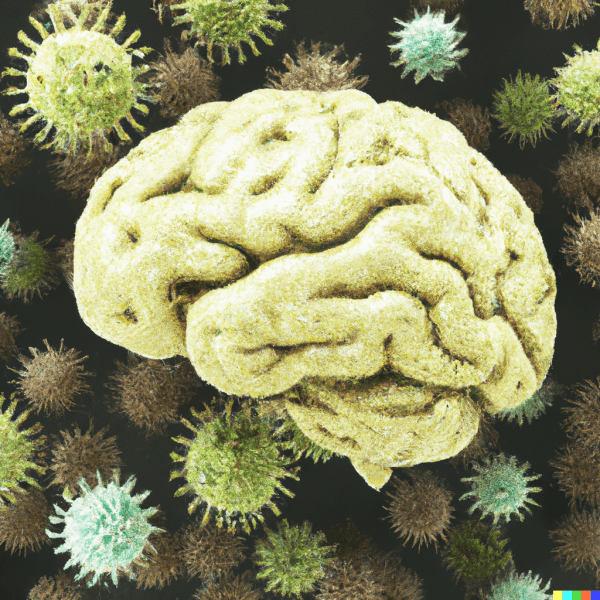
Democratizing Gene Therapy Through Viruses

Reading time: 5 minutes Kelsey Woodruff Hematopoietic stem cells (HSCs) are a rare population of cells that have the capacity to differentiate into one of the many types of blood cells that keep your body healthy. Through a complex series of signaling events and carefully timed cell divisions, these cells repopulate the entire blood compartment.... Continue Reading →

Unlocking the Secrets of Pancreatic Cancer: How Super Enhancers and RNA-Binding Proteins Illuminate New Paths to Treatment

Reading time: 7 minutes Sakshi Dhavale Did you know that pancreatic cancer has the highest mortality rate among all the major cancers? Because of this, researchers are rigorously working to find a cure for this deadly cancer type. Pancreatic Ductal Adenocarcinoma (PDAC) is the most common type of pancreatic cancer and is highly lethal due... Continue Reading →

DUBTACs: A new therapeutic approach targeting proteins for cancer treatment

Reading time: 4 minutes Rapon Félicités While the degradation of disease-causing proteins [1] is now possible thanks to targeted protein degradation (TPD) technologies such as PROTACs [2], new targeted protein stabilization (TPS) technologies called DUBTACs [3] have been designed to stabilize and restore proteins that may promote cell proliferation when aberrantly degraded.  Tumor suppressing proteins... Continue Reading →

The Cost of Groundbreaking Cancer Treatment

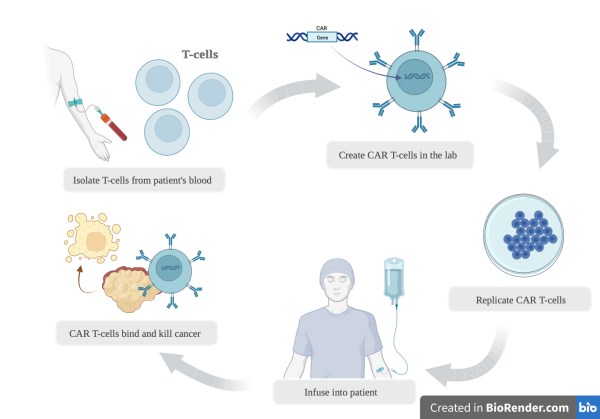
Reading time: 5 minutes Colette Bilynsky New treatment strategies are almost constantly being tested in pre-clinical research and clinical trials, with many of them outlined in various OncoBites articles. This is incredibly important work as groundbreaking treatment strategies like CAR-T therapy have the capacity to radically improve patient outcomes. CAR-T therapy takes the patient's own... Continue Reading →

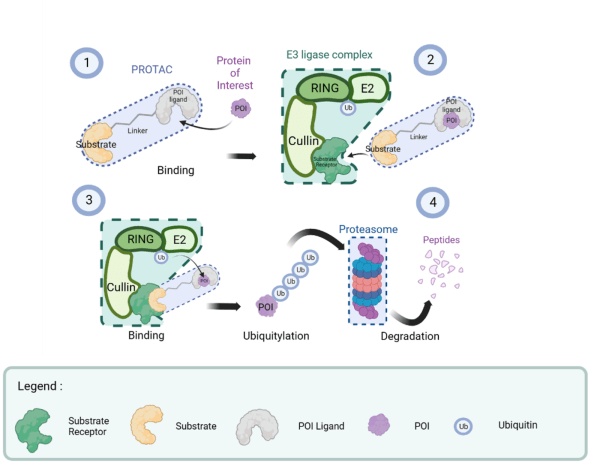
Spatiotemporal Degradation of a Specific Protein as a New Cancer Therapy

Reading time: 12 minutes Felicites Rapon Recently, chemically engineered molecules have been produced to incite the degradation of a given protein. These molecules are called PROTACs [1], which stands for PROteolysis-TArgeting Chimeras.  How does the degradation of a protein work? The degradation of a protein, also called proteolysis, is achieved by the mechanism of ubiquitination.... Continue Reading →

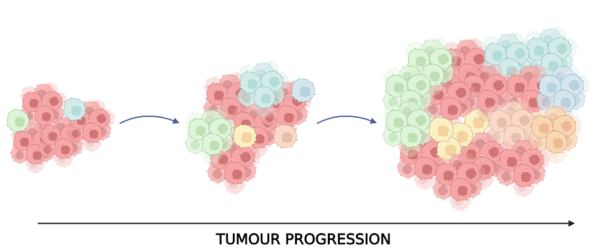
Tracing the Footsteps of Lung Cancer

Reading time: 4 minutes Aya Elmeligy Tumor heterogeneity and lung cancer progression Intratumor heterogeneity is a key concept in the evolution and progression of many tumors, including lung cancers. As a tumor grows, its DNA continually develops mutations to overcome the effects of therapies. The cells that acquire these mutations are known as a subclone.... Continue Reading →

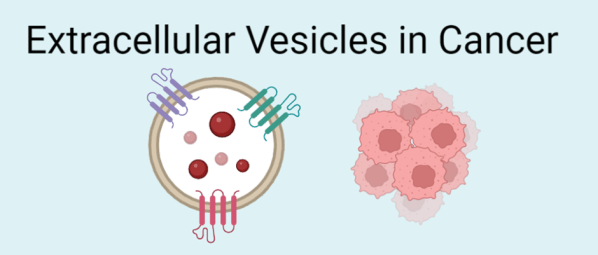
Extracellular Vesicles in Cancer

Reading time: 5 minutes Charlotte Boyd Extracellular vesicles (EVs) are small bubbles which are released from the cell. Cells produce multiple types of EVs which are different sizes ranging from approximately 30 nanometres to 10,000 nanometres. A nanometre is 10 million times smaller than a centimeter. This means that EVs are tiny and not visible... Continue Reading →

Can Exercise Treat Cancer?

Reading time: 3 minutes Sydney Scatigno Why do people exercise? There are a number of reasons people choose to engage in physical activity like walking, running, lifting weights, or playing sports. The more obvious reasons can include losing weight, building muscle, or improving overall physical appearance, but can it help treat diseases like cancer? There... Continue Reading →

Collagen Can Fuel Cancer Growth

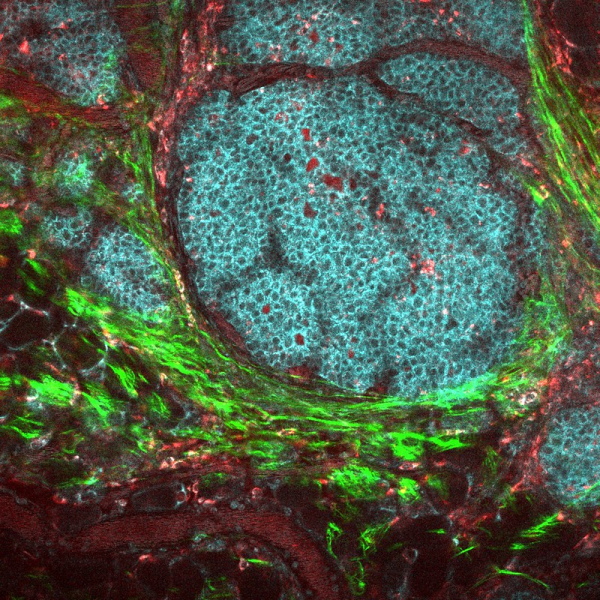
Reading time: 5 minutes Yonika Larasati Accumulating knowledge shows that cancer cells do not thrive in isolation. Just as seeds need suitable soil to flourish into plants, cancer cells might perish without an appropriate environment. This environment, known as the tumor microenvironment (TME), has become an emerging trait of cancer that can be a target... Continue Reading →

Recent Advances in mRNA-based Cancer Vaccines

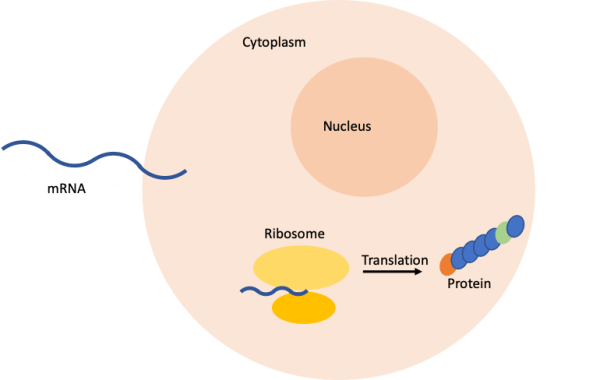
Reading time: 4 minutes Indiwari Gopallawa After years of seminal research work, mRNA technology got its moment as a result of the Covid-19 pandemic. However, mRNA-based cancer vaccines remain a relatively new and untapped class of vaccines that show great potential. The enthusiasm for this novel technology has been increasing due to recently published experimental... Continue Reading →

Phototherapy and its potential in cancer treatment

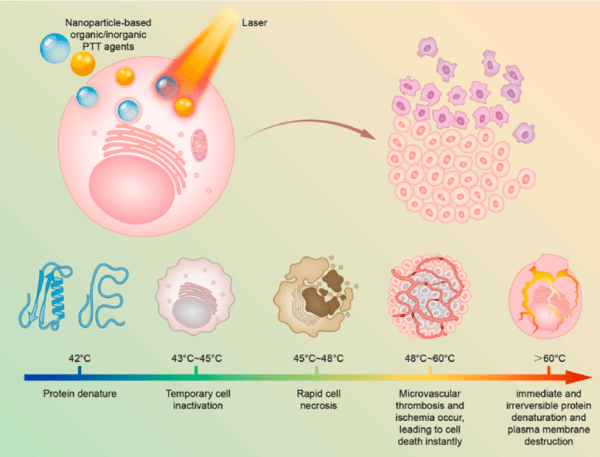
Reading time: 5 minutes Muhammad Ayhan Murtaza The word phototherapy comes from two words, “photo” and “therapy” which, evidently so, means “medical treatment using light”. The word has its roots in the older Greek language, but much like this old language, cancer is by no means a newer predicament. In fact, it actually predates human... Continue Reading →

Complexities in Metastasis Research

Reading time: 4 minutes Megan Majocha Can you imagine trying to put together clear, acrylic puzzle pieces? It is difficult to put together all the unknowns without a picture. Metastasis research is similar -  trying to put the pieces together without knowing exactly how metastatic cells function in the human body. While cancer metastasis research... Continue Reading →

Cancer vs. Targeted Agents: A Molecular Arms Race

Reading time: 4 minutes Mia Hubert Chronic myelogenous leukemia (CML) is a slow-progressing disease resulting from an overproduction of blood cells originating from the bone marrow, known as myeloid cells. Before 2001, the standard of care included chemotherapy and bone marrow transplantation (BMT). Unfortunately, chemotherapeutic approaches were non-curative and BMT entailed a high-risk procedure with... Continue Reading →

Create a website or blog at WordPress.com

Up ↑