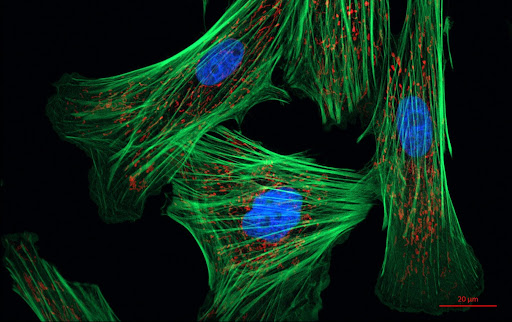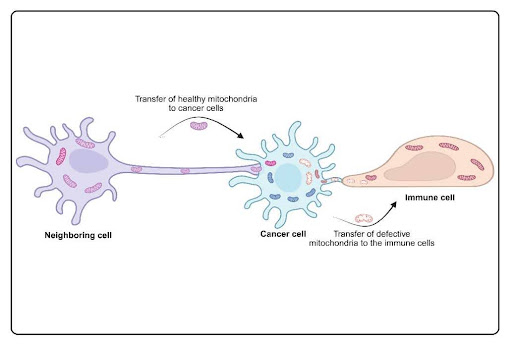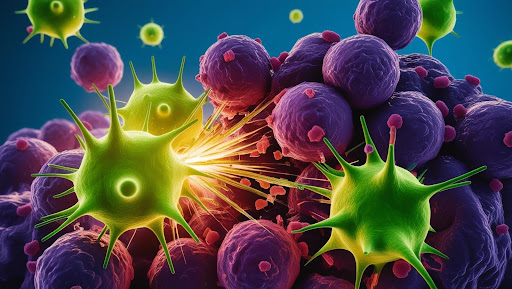
Reading time: 4 minutes Mariella Bodemeier Loayza Careaga If people were asked to name an organelle inside the cell, the word “mitochondria” would certainly pop into most people’s heads. While we always remember that mitochondria are central to energy production in cells, these bean-shaped organelles also have the amazing ability to move between cells, a... Continue Reading →
The link between cancer and gut microbiome
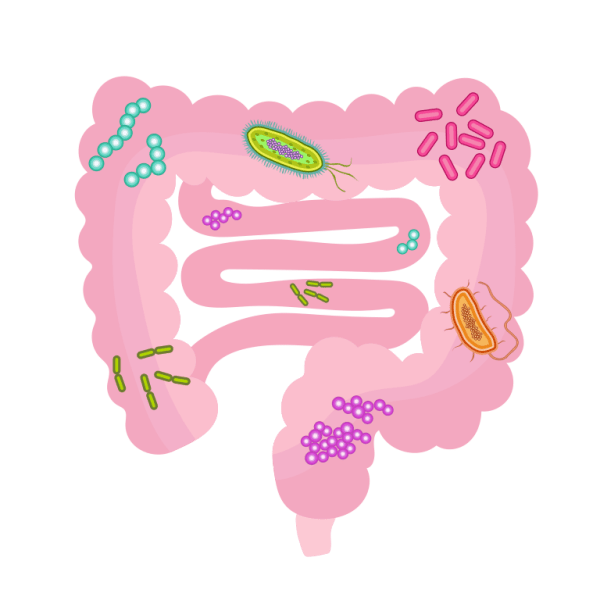
Reading time: 7 minutes Oluoma Vivian Aneke The human microbiota is comprised of trillions of microorganisms that have both bacterial and viral origins. They work together with the immune system to fight the invasion of pathogens. They also help to carry out metabolic functions, extract energy like short-chain fatty acids, and source essential nutrients and... Continue Reading →
Cancer After Childbirth: An Uncommon But Possible Phenomenon
Reading time: 7 minutes Jessica Desamero, PhD Recently, I noticed I knew a good number of individuals that have developed cancer while pregnant or shortly after giving birth. Although there’s no direct correlation between pregnancy and the risk of cancer, could there be an indirect link? After researching potential causes, I found that pregnancy-associated cancer... Continue Reading →
How Cancer Cells Steal Energy: The Story of Mitochondrial Transfer
Reading time: 4 minutes Hema Saranya Ilamathi Cancer is not just a disease of uncontrolled cell growth—it's a master in cellular manipulation and survival. Scientists have long known that cancer cells behave very differently from normal ones. They reprogram themselves to survive in harsh environments, change the way they use nutrients, and even manipulate their... Continue Reading →
From tumor to torment: The neurobiology of depression in cancer
Reading time: 5 minutes Anthony Tao Cancer is a debilitating disease in more ways than one. Its devastation arises predominantly from its parasitic nature, siphoning the host body's nutrients and space for tumor growth. Predictably, this leaves victims feeling tired and worn down, with muscle weakness and malnutrition. Altogether, this cancer-associated weakening and wasting is known... Continue Reading →
Can We Manipulate the Gut Microbiome to Improve Cancer Outcomes?
Could the key to efficient chemotherapy lie in our gut? Read along to find out. Reading time: 6 minutes Yousra Iftequar Cancer is a word that carries weight, fear, and urgency. It’s a disease that has touched nearly every family, leaving behind stories of resilience, loss, and medical breakthroughs. As one of the leading causes... Continue Reading →
Double Trouble for Cancer: The Rise of Bispecific Antibodies
Reading time: 5 minutes Dolores Mruk, PhD Cancer treatments have come a long way since the early 1900s, evolving from chemotherapy and radiotherapy to more targeted interventions. One promising approach involves the use of bispecific antibodies (bsAbs)—engineered molecules that help in fighting cancer. Today, these immunotherapies are being studied across different malignancies, with a particular... Continue Reading →
To sync or not to sync: Cancer’s complicated relationship with our internal clocks
Reading time: 5 minutes Andrea Lius For several decades, scientists have observed that disruptions to the body’s internal clock, also known as the circadian rhythm, can promote cancer development and progression.1 They also found that many fast-growing cancers have circadian rhythms that are desynchronized from healthy cells. However, glioblastoma (GBM), a deadly and aggressive type... Continue Reading →
The Obesity Paradox
Reading time: 8 minutes Nicholas A. Egan Obesity is a rising global health epidemic, with the number of obese adults doubling since the 1990s and the number of adolescents living with obesity quadrupling. This amounts to one in every eight people in the world living with obesity. Obesity comes with myriad other health issues. Specifically,... Continue Reading →
The heart wants what it wants–but what about its tumors?
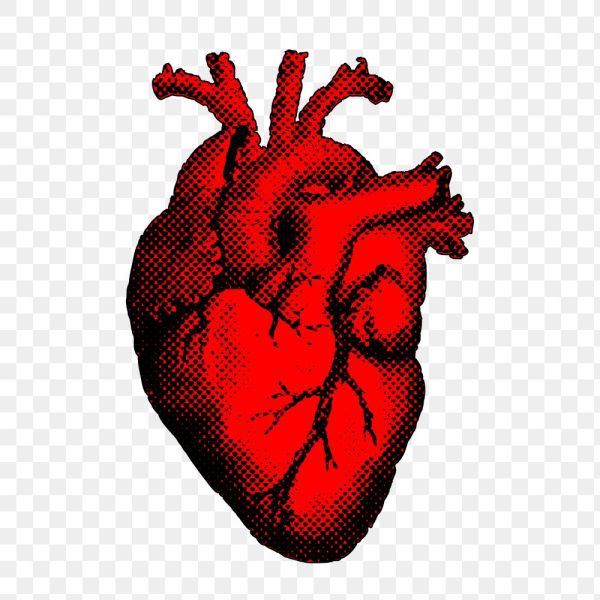
Reading time: 3 minutes Muhammad Ayhan Murtaza In Greek mythology, the heart was often seen as the seat of emotion and the source of life itself. The god Zeus, for instance, was known to follow his heart's desires without hesitation. As Emily Dickinson famously wrote, "The heart wants what it wants – or else it... Continue Reading →
The Stress-Cancer Connection: Fact or Fiction?
Reading time: 5 minutes Hema Saranya Ilamathi It’s Monday morning! The alarm goes off, and your mind immediately floods with thoughts: meetings with the boss, deadlines to meet, the week’s workload, and the rush to get to work on time. The stress is already kicking in—sound familiar?. In a competitive and fast-paced world, stress has... Continue Reading →
A sun-sational study on vitamin D and cancer
Reading time: 4 minutes Anthony Tao Sunny weather can make the difference between a bleak and mundane work day versus a day filled with joy and festivity. People generally feel better when the sun's out. Foods taste better, music sounds livelier, and the air feels more hopeful. And the need for hope is perhaps most... Continue Reading →
M1 Kills, M2 Heals: The Effects of Different Subsets of Macrophages in Cancer
Reading time: 7 minutes Gracie Jennah Mead Introduction Macrophages are an important part of the innate immune system. Within the innate immune system, which comprises more indiscriminate strategies that protect us from pathogens in general, macrophages engulf and break down pathogens. Macrophages are a diverse cell as they can regulate tissue development and tissue repair... Continue Reading →
Overcoming Hypoxia-Associated Radiotherapy Resistance
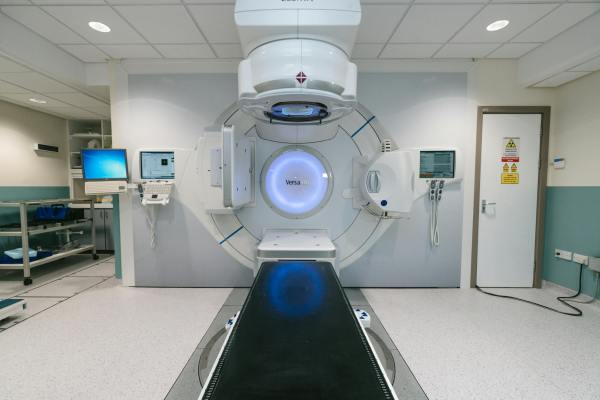
Reading time: 4 minutes Mia Hubert Radiation therapy has been a critical tool in the battle against cancer. Following the discovery of X-rays and their cytotoxic potential, radiation therapy was quickly employed to treat skin and breast cancers in the early 20th century1. Today, radiation therapy is effective in controlling or even curing various types... Continue Reading →
Shedding Light on Bald Scalps, Testosterone, and Skin Cancer
Reading time: 4 minutes Eoghan McGrath As a younger man peering across the kitchen table at my father’s scalp, I wondered if I was catching a glimpse of my own follicular future in its shiny freckled portents. Well, a decade, a degree in genetics, and a PhD in biochemistry later, I see my own scalp... Continue Reading →
Is Chronotherapy the Future of Cancer Treatment?
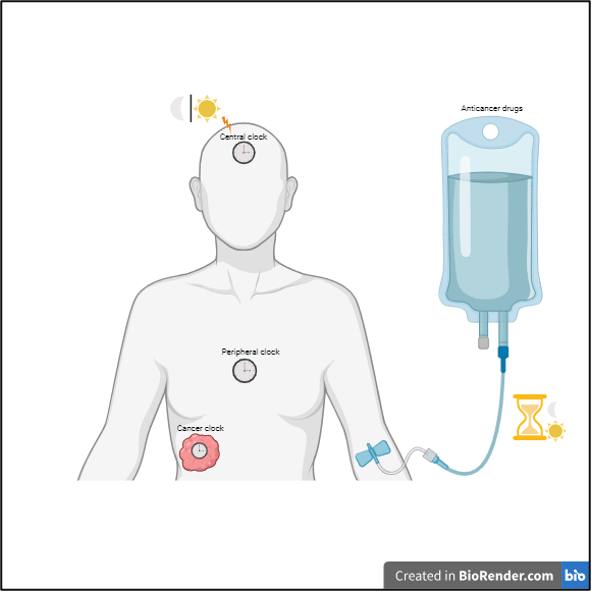
Reading time: 5 minutes Hema Saranya Ilamathi It's seven o'clock in the morning! A bright light hits my face, and I awaken before the alarm clock starts buzzing. Did you know humans have an inbuilt biological clock known as the circadian rhythm? Light stimulates this 24-hour central clock in the brain. In general, photoreceptors in... Continue Reading →
Multi-omics and its Applications in Oncology
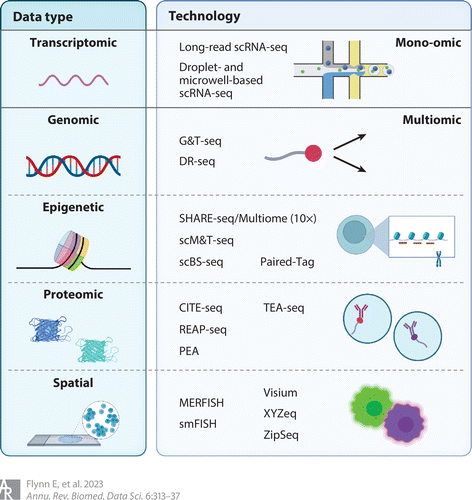
Reading time: 4 minutes Susan Egbert In the ever-evolving landscape of cancer research, scientists are delving deeper into the complexities of cancer biology. One of the cutting-edge approaches transforming the field is the integration of multi-omics technologies. Multi-omics, the comprehensive analysis of various biological molecules such as genomics, transcriptomics, proteomics, metabolomics, and epigenomics, provides a... Continue Reading →
Jurassic Park: How Cancer Cells Fight Each Other For Dominance
Reading time: 4 minutes Eoghan McGrath This history of life on earth is marked with competition for resources, species expansion, and mass extinction events. New research1 suggests that tumors have similar backstories, and that cells which form successful tumors are lone survivors amidst a graveyard of other failed cancer cells. Barriers to Cancer Growth We... Continue Reading →
Following a Trail of Breadcrumbs: Healthy Body Cells Lead the Way When Cancer Cells Migrate
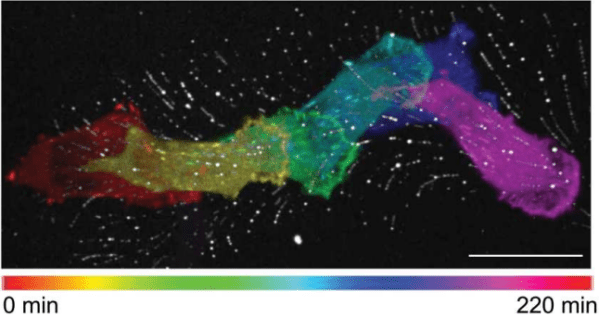
Researchers studied a trail of "tracks" left by cancer-associated fibroblasts that guided breast cancer cells in migration. These membranous trails act as communication networks, potentially offering new insights for treatments. Jessica Campbell writes.
The Dual Role of Cancer-Associated Fibroblasts in Pancreatic Ductal Adenocarcinoma: Friend or Foe?
Reading time: 5 minutes Nayela Chowdhury Pancreatic ductal adenocarcinoma (PDAC) is an exocrine tumor of the pancreas and constitutes up to 95% of all pancreatic cancer cases. PDAC exhibits one of the poorest prognosis of all solid cancers and is associated with a very low overall and progression-free survival rate. Even though many molecular pathways... Continue Reading →
Unlocking the Secrets of Pancreatic Cancer: How Super Enhancers and RNA-Binding Proteins Illuminate New Paths to Treatment
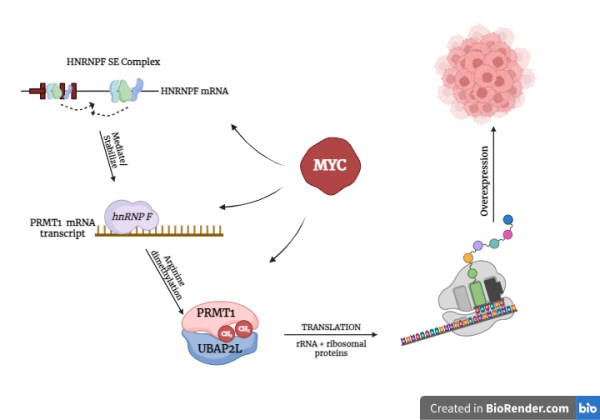
Reading time: 7 minutes Sakshi Dhavale Did you know that pancreatic cancer has the highest mortality rate among all the major cancers? Because of this, researchers are rigorously working to find a cure for this deadly cancer type. Pancreatic Ductal Adenocarcinoma (PDAC) is the most common type of pancreatic cancer and is highly lethal due... Continue Reading →
Unlocking the Secrets of Pancreatic Cancer: How Super Enhancers and RNA-Binding Proteins Illuminate New Paths to Treatment
Reading time: 7 minutes Sakshi Dhavale Did you know that pancreatic cancer has the highest mortality rate among all the major cancers? Because of this, researchers are rigorously working to find a cure for this deadly cancer type. Pancreatic Ductal Adenocarcinoma (PDAC) is the most common type of pancreatic cancer and is highly lethal due... Continue Reading →
DUBTACs: A new therapeutic approach targeting proteins for cancer treatment
Reading time: 4 minutes Rapon Félicités While the degradation of disease-causing proteins [1] is now possible thanks to targeted protein degradation (TPD) technologies such as PROTACs [2], new targeted protein stabilization (TPS) technologies called DUBTACs [3] have been designed to stabilize and restore proteins that may promote cell proliferation when aberrantly degraded. Tumor suppressing proteins... Continue Reading →
Critters in Cancer: Are Bacteria Visible to Tumor-Killing T Cells?
Reading time: 6 minutes Anthony Tao Bacteria are not often given the respect they sometimes deserve. People tend to consider them as foreign harbingers of plagues, colds, and rashes ‒ unwanted invaders that our immune systems are uniquely tasked to deport. Of course, it is very well accepted now that many of these microbes indeed... Continue Reading →
Spatiotemporal Degradation of a Specific Protein as a New Cancer Therapy
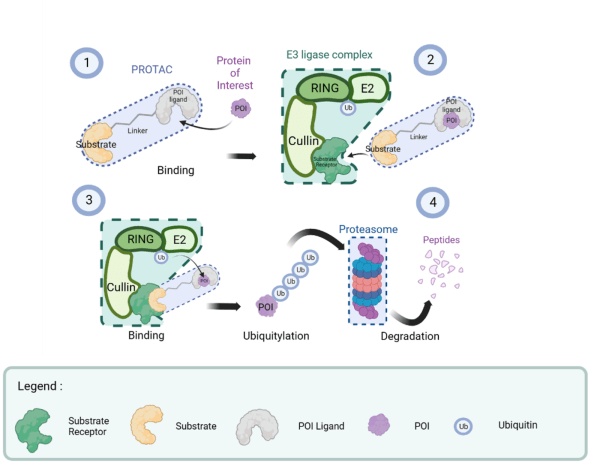
Reading time: 12 minutes Felicites Rapon Recently, chemically engineered molecules have been produced to incite the degradation of a given protein. These molecules are called PROTACs [1], which stands for PROteolysis-TArgeting Chimeras. How does the degradation of a protein work? The degradation of a protein, also called proteolysis, is achieved by the mechanism of ubiquitination.... Continue Reading →
Can a Virus Treat Cancer? An Oncolytic Virus May Be the Answer!
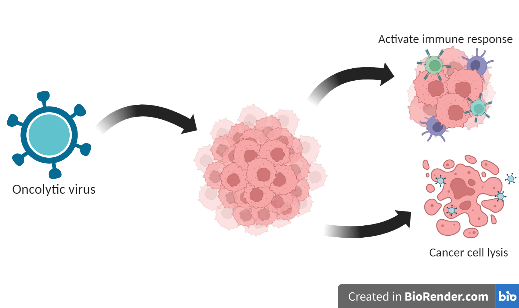
Reading time: 5 minutes Hema Saranya Ilamathi Viruses have long been associated with illnesses in humans, like the flu and AIDS, but many people are unaware that some viruses can be used to treat cancer. Oncolytic viruses (OVs) are natural or genetically engineered viruses that selectively target and destroy cancer cells. Using viruses to treat... Continue Reading →
Extracellular Vesicles in Cancer
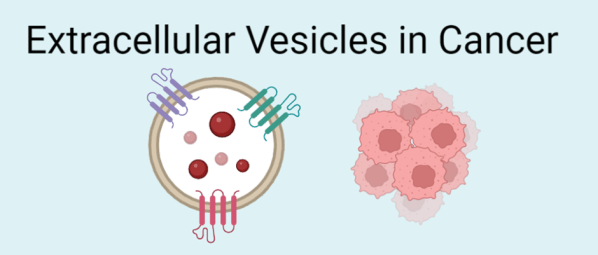
Reading time: 5 minutes Charlotte Boyd Extracellular vesicles (EVs) are small bubbles which are released from the cell. Cells produce multiple types of EVs which are different sizes ranging from approximately 30 nanometres to 10,000 nanometres. A nanometre is 10 million times smaller than a centimeter. This means that EVs are tiny and not visible... Continue Reading →
Collagen Can Fuel Cancer Growth
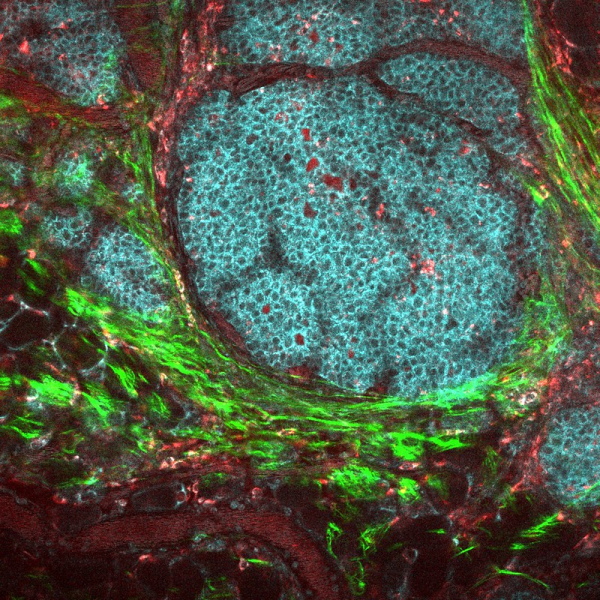
Reading time: 5 minutes Yonika Larasati Accumulating knowledge shows that cancer cells do not thrive in isolation. Just as seeds need suitable soil to flourish into plants, cancer cells might perish without an appropriate environment. This environment, known as the tumor microenvironment (TME), has become an emerging trait of cancer that can be a target... Continue Reading →
Patient-Derived Xenograft Models: Bridging the Gap Between Pre-clinical and Clinical Research
Reading time: 6 minutes Karli Norville It can take more than ten years to move a drug or therapeutic from discovery to FDA approval. Despite the years of research put in before a clinical trial begins, many therapeutics fail due to unforeseen safety complications or their lack of efficacy. Why do so many fail? Despite... Continue Reading →
Chromosomal Change: A Means for Cancer-Inducing Catastrophe
Reading time: 5 minutes Jessica Desamero Types of chromosomal abnormalities found in cancer Chromosomes are like books that store vast amounts of information, more precisely, DNA building blocks (genes) that compose all our genetic information. In this example, genes may seem as words spanning across the chromosomes that possess order and structure to give meaning... Continue Reading →