Reading time: 4 minutes
Hema Saranya Ilamathi
Diet plays a powerful but often misunderstood role in shaping our long‑term cancer risk. While scientific studies have explored this connection for decades, recent research has clarified some patterns while also revealing just how complex the relationship truly is. What we choose to eat each day forms patterns over a lifetime, and these patterns influence how our bodies respond to inflammation, DNA damage, and other processes central to cancer development. Rather than focusing on a single “superfood” or a single villain in our diet, scientists now agree that the overall style of eating matters most.
One of the clearest trends emerging across studies is that eating large amounts of red and processed meat raises the risk of several cancers, especially colorectal cancer (1). Compounds formed during meat processing and high‑heat cooking can damage DNA or promote inflammation over time (5). In contrast, diets rich in fruits, vegetables, and whole grains consistently show protective effects. Fiber helps speed transit through the digestive tract, which reduces contact between the gut and potential carcinogens. Whole grains also support beneficial gut microbes that produce compounds like butyrate, which help protect and nourish cells in the colon (5). At the same time, evidence is growing that frequent consumption of ultra‑processed foods, such as items formulated with additives, fillers, or high levels of salt, sugar, and refined starch, may contribute to an increased risk of digestive and hormone‑related cancers (2). While researchers are still unraveling the details, the pattern is becoming hard to ignore: the more a food is altered and engineered, the less likely it is to support long‑term health.
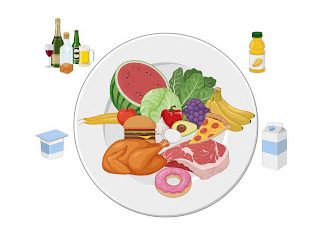
Interestingly, dairy foods like milk and yogurt show mixed effects depending on the type of cancer being studied. Higher calcium intake appears to lower the risk of colorectal cancer, possibly by helping bind and neutralize harmful compounds in the gut. But high milk consumption may increase prostate cancer risk, highlighting how nutrients can play different roles in different tissues (5). This complexity also appears in research on individual vitamins and minerals; for example, vitamin D, vitamin B12, and carotenoids sometimes show protective effects in certain studies but neutral or contradictory ones in others (3,5). These inconsistencies may stem from differences in genetics, sunlight exposure, dietary patterns, or how these nutrients behave in various organs. Altogether, this makes it clear that nutrients rarely act in isolation within the body, and their effects depend on a far larger biological context.
Another rapidly evolving area is the role of the gut microbiome in carcinogenesis (4). The trillions of microorganisms living in our digestive tract respond dramatically to what we eat. Diets high in fiber, whole grains, and plant‑based foods tend to support bacteria that reduce inflammation and generate protective metabolites, while diets filled with processed foods or excessive fat may promote less favorable microbial communities (4). Because inflammation and immune regulation are tightly linked to cancer development, researchers are increasingly exploring how food shapes these microscopic ecosystems and how, in turn, these ecosystems shape cancer risk.
Yet, despite promising insights, there is still much we don’t know. Many diet‑cancer studies rely on short dietary questionnaires, which do not accurately capture what people eat over long periods of time. Most research has also been conducted in higher‑income countries, yet global differences in food availability, cultural patterns, and healthcare access play major roles in cancer risk. For example, people in lower‑income regions often have higher burdens of diet‑related cancers not because they consume excess processed food, but because they have limited access to vegetables, fruits, or nutrition education (1). Better studies across diverse populations are needed to understand how universal these dietary patterns truly are.
Looking ahead, we need more long‑term observational studies and clinical trials to clarify how whole dietary patterns, not just single nutrients, shape cancer risk (4). There is also increasing interest in plant‑based diets (4), not only because they appear protective, but because researchers want to identify which specific components (such as nuts, legumes, or antioxidants) matter most. Another growing area is understanding how diet can support people undergoing cancer treatment (4). Treatments often affect appetite, taste, and nutrient absorption, and supporting patients nutritionally could strengthen recovery, improve treatment tolerance, and enhance overall quality of life.
Despite the unanswered questions, a consistent message has emerged: thoughtful, balanced eating can help reduce cancer risk. Patterns that center on whole, minimally processed foods, vegetables, fruits, beans, nuts, whole grains, and healthy fats like olive oil are linked to better health outcomes. Meanwhile, limiting red and processed meats and keeping ultra‑processed foods as occasional choices rather than daily staples appears to lower risk. No single food determines a person’s cancer future, but over a lifetime, the choices we make most often do matter. As research continues, we will refine the details, but the direction is already clear: eating in a way that supports overall health also supports long‑term cancer prevention.
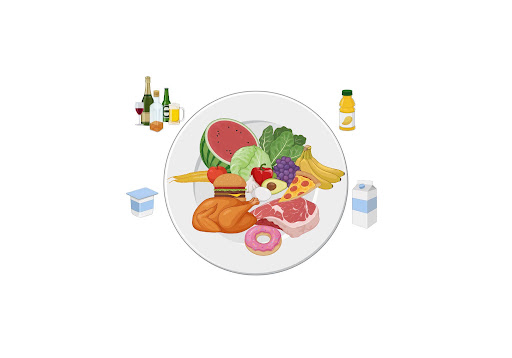
Header Image Source: Created by author with BioRender.
Edited by Ian Padykula
References
1 Li, X. & Li, H. Global, country, and regional cancer burden attributable to dietary risk: Results from the global burden of disease study 2021. BMC Public Health 25, 3244 (2025). https://doi.org/10.1186/s12889-025-24570-7
2 Menegassi, B. & Vinciguerra, M. Ultraprocessed Food and Risk of Cancer: Mechanistic Pathways and Public Health Implications. Cancers (Basel) 17, 2064 (2025). https://doi.org/10.3390/cancers17132064
3 Qin, Y. et al. Dietary nutrient intake and cancer presence: evidence from a cross-sectional study. Front Nutr 12, 1551822 (2025). https://doi.org:10.3389/fnut.2025.1551822
4 Steck, S. E. & Murphy, E. A. Dietary patterns and cancer risk. Nat Rev Cancer 20, 125-138 (2020). https://doi.org/10.1038/s41568-019-0227-4
5 Xia, B. et al. Cancer Prevention Effects of Foods, Food Groups, Nutrients, and Their Underlying Mechanisms. ACS Food Science & Technology 2, 437-454 (2022). https://doi.org/10.1021/acsfoodscitech.1c00293


Leave a Reply