Reading time: 4 minutes
Anthony Tao
Cancer treatment is being reshaped by drugs that modulate the immune system (aka immunotherapy), yet many patients still fail to benefit from these powerful drugs. A growing body of research suggests that one unexpected factor, the bacteria living in our gut, may help determine who responds and who does not. Understanding this connection could open an entirely new way to improve cancer care by pairing existing therapies with microbiome-based treatments.
CANCER IMMUNOTHERAPY
The establishment and progression of cancer depends on a labile balance between immune activity and tumor growth. Immune cells called T cells and macrophages play key roles in recognizing and attacking cancer cells.. As such, therapies that attempt to boost the power of T cells are becoming common in cancer therapy. For example, drugs such as pembrolizumab and ipilimumab target molecules, which boost T cell function and result in a significant augmentation of their anti-tumor activity overall. However, despite the success of such “immunotherapies” on various cancers such as melanoma, renal cell carcinoma, and lung adenocarcinoma, these drugs fail to adequately eliminate tumors in many patients.
GUT MICROBIOME REGULATES IMMUNE RESPONSES
In the past several decades, the gut microbiome has become increasingly recognized as a critical regulator of the body’s overall immune system. Specifically, the gut microbiome refers to the trillions of microorganisms, mostly bacteria,that help with digestion, nutrient absorption, and metabolism. Many studies have shown that alterations in the microbiome, such as overgrowth or depletion of specific bacterial strains, can have prominent effects on the body’s anti-tumor immune response. For instance, bacterial strains such as Bacteroidetes and Bifidobacterium have been associated with anti-tumor immunity whereas strains such as Proteobacteria have pro-tumor correlations (Wu et al., 2021). In fact, direct infection of the gut with Bifidobacterium in mice has been shown to enhance the accumulation of anti-tumor T cells in a melanoma (Sivan et al., 2015).
FECAL TRANSPLANT AS AN APPROACH FOR IMMUNOMODULATION
A practical strategy for fixing an imbalanced gut microbiome is, shockingly, fecal microbiota transplant (FMT), which in essence describes the transfer of poop from one person to another. In FMT, bacteria from healthy donors’ stools are turned into a capsule that patients can swallow.. This results in a “correction” of the recipient’s abnormal gut biome composition. Classically, FMT has been used in severe gut infections caused by Clostridium difficile, which are driven by an imbalanced gut microbiome (Hamza Saeed et al., 2025). However, several lines of evidence have shown that FMT in combination with existing immunotherapies like pembrolizumab can improve anti-tumor immune activity. For instance, in melanoma mice, FMT from healthy human stool samples was shown to increase the abundance of Bifidobacterium, enhance T cell responses, and improve how tumors respond to pembrolizumab (Matson et al., 2018).
CLINICAL TRIALS
Building on this body of work, researchers have begun to evaluate the effectiveness of FMT in human patients with cancer. For instance, a small 2021 clinical trial focused on patients with metastatic melanoma who had previously failed to be treated with immunotherapy (Davar et al., 2021). The researchers wondered whether combining FMT with pembrolizumab treatment boosts the effectiveness of the medication. Excitingly, they found that around a third of these immunotherapy-resistant patients showed signs the treatment was working. These patients showed an increase in the Bifidobacterium bacterial strain, as well as enhanced T cell activity. A formal phase I clinical trial was conducted in 2023, which confirmed that the combination of FMT and pembrolizumab was safe in melanoma patients (Routy et al., 2023).
In 2026, two phase II trials tested FMT in patients with melanoma, kidney cancer and non-small cell lung cancer (NSCLC) ‒ these were the LUMINate trial (Duttagupta et al., 2026) and the TACITO trial (Porcari et al., 2026). In melanoma, 75% of patients treated with FMT in addition to a combination of pembrolizumab and ipilimumab demonstrated either a partial or complete response to immunotherapy. In NSCLC, 80% of patients showed an anti-tumor response. Another study randomly assigned patients with advanced kidney cancer, to receive either FMT plus immunotherapy or immunotherapy alone. The researchers found those treated with FMT lived longer and had less cancer present in their body.
CONCLUSION
The findings from these studies demonstrate the promise of manipulating the gut microbiome to enhance anti-tumor immunotherapies. The next step for such an approach would be phase III clinical trials, which can establish how wellFMT works in a much larger number of patients. In addition, for more patient-centered therapies, researchers will need to develop standardized donor screening and stool processing protocols to ensure safety and reproducibility in cancer patients. Looking forward, the integration of microbiome-oriented therapies with existing treatments represent a new frontier in oncology, with potential benefits for a wide variety of cancers which don’t currently respond well to immunotherapy.
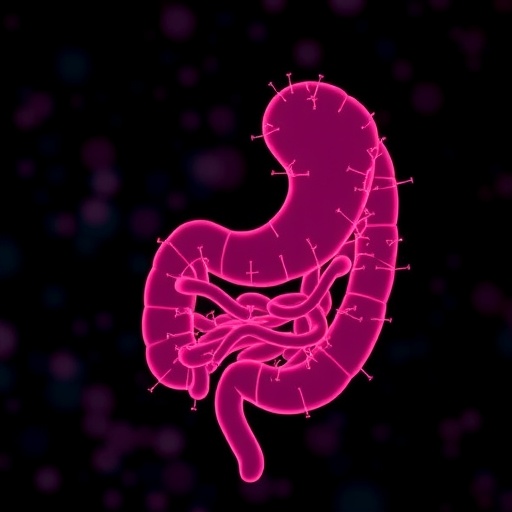
Header Image Source: scienmag.com (image is under a Creative Commons CCO 1.0 license)
Edited by Xanthea Heighington
References
1. Davar, D., Dzutsev, A. K., McCulloch, J. A., Rodrigues, R. R., Chauvin, J. M., Morrison, R. M., . . . Zarour, H. M. (2021). Fecal microbiota transplant overcomes resistance to anti-PD-1 therapy in melanoma patients. Science, 371(6529), 595-602. doi:10.1126/science.abf3363
2. Duttagupta, S., Messaoudene, M., Hunter, S., Desilets, A., Jamal, R., Mihalcioiu, C., . . . Elkrief, A. (2026). Fecal microbiota transplantation plus immunotherapy in non-small cell lung cancer and melanoma: the phase 2 FMT-LUMINate trial. Nat Med. doi:10.1038/s41591-025-04186-5
3. Hamza Saeed, M., Qamar, S., Ishtiaq, A., Umaira Khan, Q., Atta, A., Atta, M., . . . Iqbal, A. (2025). Fecal Microbiota Transplantation (FMT) in Clostridium difficile Infection: A Paradigm Shift in Gastrointestinal Microbiome Modulation. Cureus, 17(5), e85054. doi:10.7759/cureus.85054
4. Matson, V., Fessler, J., Bao, R., Chongsuwat, T., Zha, Y., Alegre, M. L., . . . Gajewski, T. F. (2018). The commensal microbiome is associated with anti-PD-1 efficacy in metastatic melanoma patients. Science, 359(6371), 104-108. doi:10.1126/science.aao3290
5. Porcari, S., Ciccarese, C., Heidrich, V., Rondinella, D., Quaranta, G., Severino, A., . . . Ianiro, G. (2026). Fecal microbiota transplantation plus pembrolizumab and axitinib in metastatic renal cell carcinoma: the randomized phase 2 TACITO trial. Nat Med. doi:10.1038/s41591-025-04189-2
6. Routy, B., Lenehan, J. G., Miller, W. H., Jr., Jamal, R., Messaoudene, M., Daisley, B. A., . . . Maleki Vareki, S. (2023). Fecal microbiota transplantation plus anti-PD-1 immunotherapy in advanced melanoma: a phase I trial. Nat Med, 29(8), 2121-2132. doi:10.1038/s41591-023-02453-x
7. Sivan, A., Corrales, L., Hubert, N., Williams, J. B., Aquino-Michaels, K., Earley, Z. M., . . . Gajewski, T. F. (2015). Commensal Bifidobacterium promotes antitumor immunity and facilitates anti-PD-L1 efficacy. Science, 350(6264), 1084-1089. doi:10.1126/science.aac4255
8. Wu, M., Bai, J., Ma, C., Wei, J., & Du, X. (2021). The Role of Gut Microbiota in Tumor Immunotherapy. J Immunol Res, 2021, 5061570. doi:10.1155/2021/5061570
 OncoBites
Leave a comment