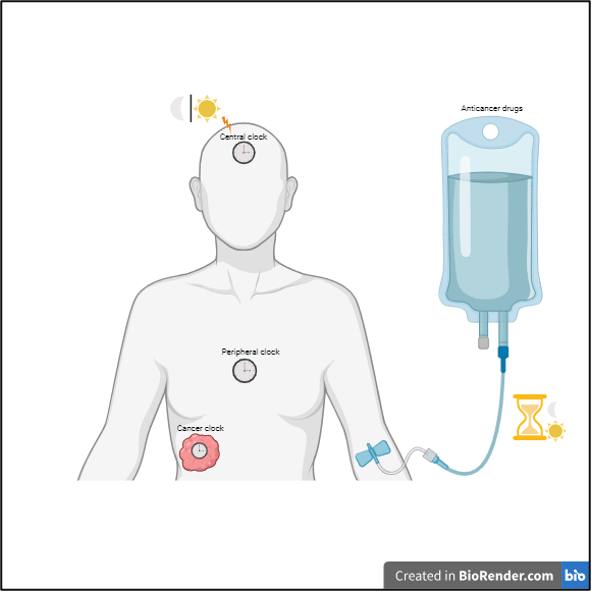
Reading time: 5 minutes Hema Saranya Ilamathi It's seven o'clock in the morning! A bright light hits my face, and I awaken before the alarm clock starts buzzing. Did you know humans have an inbuilt biological clock known as the circadian rhythm? Light stimulates this 24-hour central clock in the brain. In general, photoreceptors in... Continue Reading →
AI vs. Traditional Methods in Cancer Diagnostics
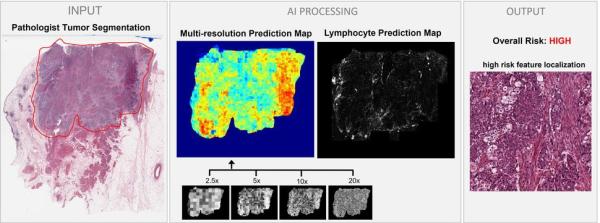
Reading time: 7 minutes Muhammad Ayhan Murtaza A pivotal moment in the evolution of human civilization occurred when the Greek Titan Prometheus bestowed fire upon humanity, defying the will of the other gods. Today, a similar transformative force is at play with the advancement of artificial intelligence (AI). At least such is the common perception.... Continue Reading →
Cells Get Overworked Too: The Effect of T Cell Exhaustion in Cancer
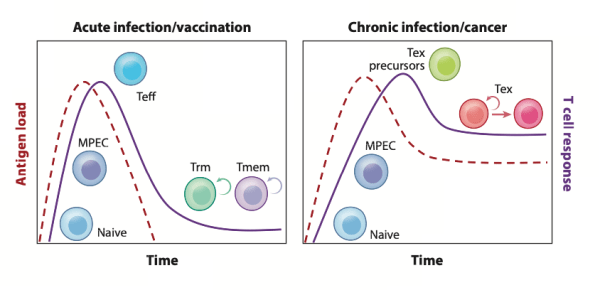
Reading time: 6 minutes Gracie Jennah Mead Introduction Exhausted T cells (Tex) were first discovered during chronic viral infections whereby the CD8 T cells (which are a type of immune cell that initiates killing of virally infected cells and cancerous cells) persist but can no longer clear the pathogen, this was first evident in HIV... Continue Reading →
A Single Amino Acid Change May Enable a Universal Blood Cancer Therapy
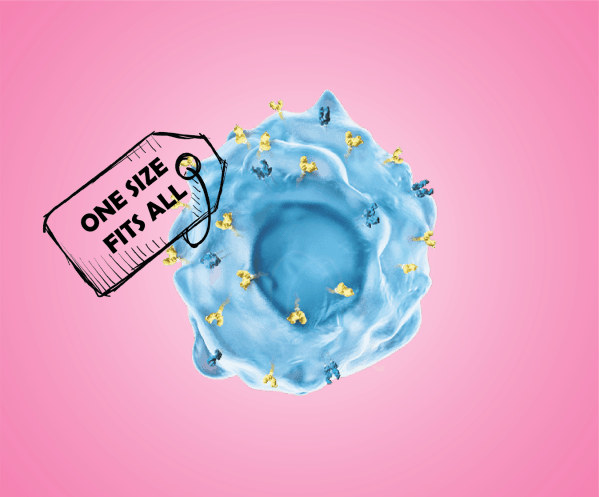
Reading time: 6 minutes Michael Marand From art to sports and even scientific research, a small adjustment in just the right place can have large reverberating benefits. In this theme, a team from the University of Pennsylvania recently shared their work in which modifying a single amino acid in a large protein revealed a potential... Continue Reading →
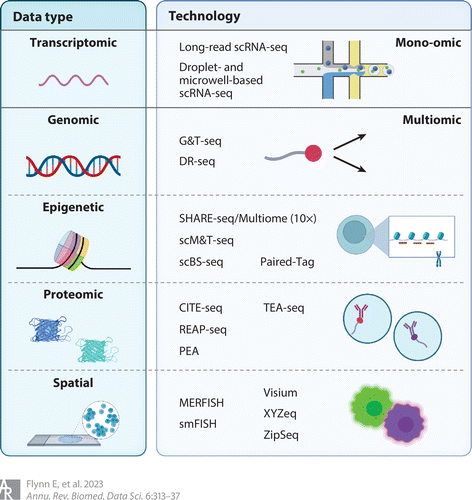
Multi-omics and its Applications in Oncology
Reading time: 4 minutes Susan Egbert In the ever-evolving landscape of cancer research, scientists are delving deeper into the complexities of cancer biology. One of the cutting-edge approaches transforming the field is the integration of multi-omics technologies. Multi-omics, the comprehensive analysis of various biological molecules such as genomics, transcriptomics, proteomics, metabolomics, and epigenomics, provides a... Continue Reading →