Spatiotemporal Degradation of a Specific Protein as a New Cancer Therapy
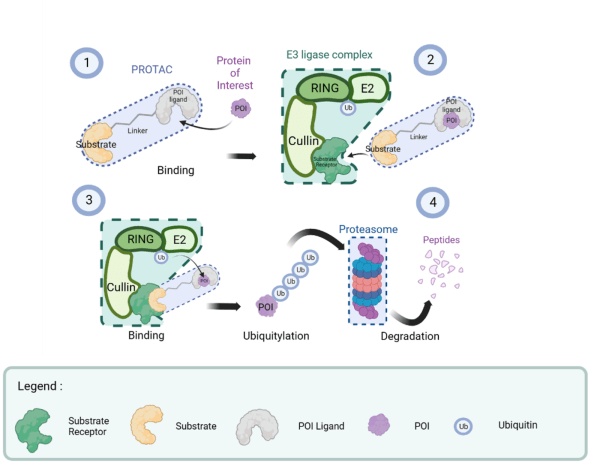
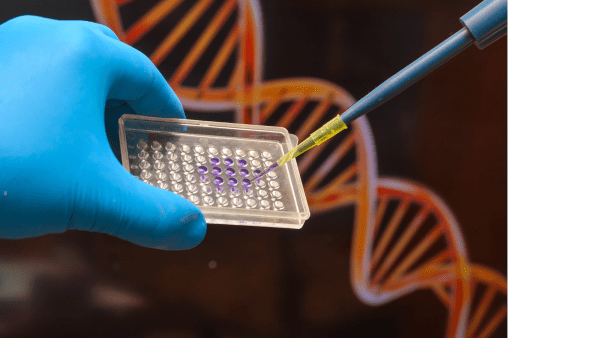
Reading time: 12 minutes Felicites Rapon Recently, chemically engineered molecules have been produced to incite the degradation of a given protein. These molecules are called PROTACs [1], which stands for PROteolysis-TArgeting Chimeras.  How does the degradation of a protein work? The degradation of a protein, also called proteolysis, is achieved by the mechanism of ubiquitination.... Continue Reading →

Tracing the Footsteps of Lung Cancer

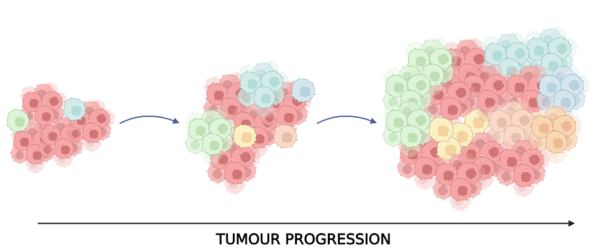
Reading time: 4 minutes Aya Elmeligy Tumor heterogeneity and lung cancer progression Intratumor heterogeneity is a key concept in the evolution and progression of many tumors, including lung cancers. As a tumor grows, its DNA continually develops mutations to overcome the effects of therapies. The cells that acquire these mutations are known as a subclone.... Continue Reading →

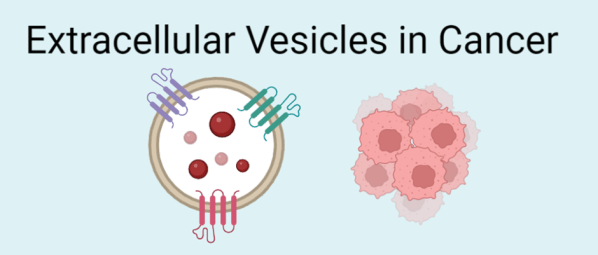
Extracellular Vesicles in Cancer

Reading time: 5 minutes Charlotte Boyd Extracellular vesicles (EVs) are small bubbles which are released from the cell. Cells produce multiple types of EVs which are different sizes ranging from approximately 30 nanometres to 10,000 nanometres. A nanometre is 10 million times smaller than a centimeter. This means that EVs are tiny and not visible... Continue Reading →

Create a website or blog at WordPress.com

Up ↑