
Reading time: 3 minutes
Victoria Gnazzo
- Pollution Beyond the Ocean
For many years, we have seen plastic pollution through heartbreaking images, like whales filled with plastic and turtles caught in soda rings. Yet, the reality is that plastic pollution is no longer just an oceanic problem; it now presents an immediate and serious threat to human health.
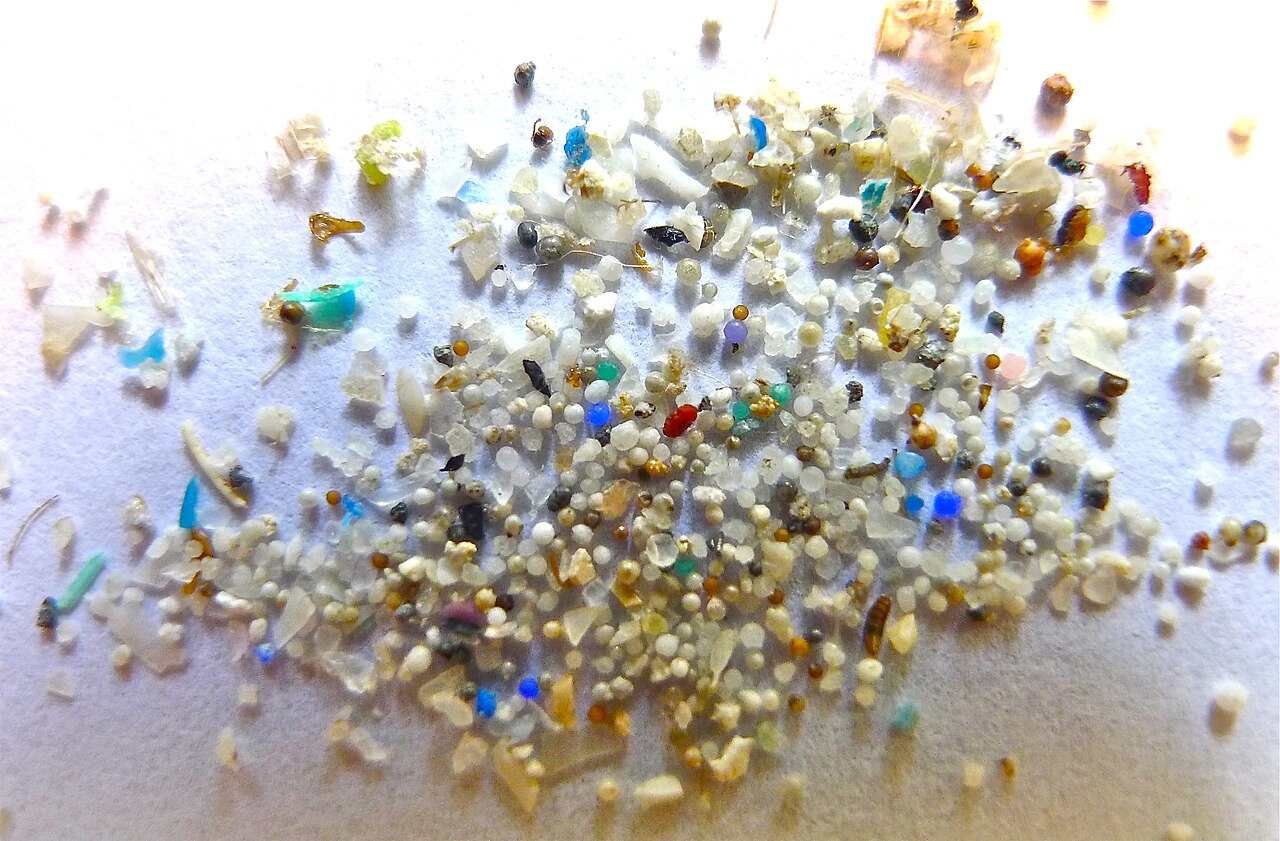
Recent studies show that micro- and nanoplastics are a serious health risk. These tiny particles have been found in our blood, lungs, and even our brains, and their presence is linked to health issues such as dementia.
Inevitably, these invisible contaminants have become a critical part of the oncology discussion. They play a significant role in cellular stress and chronic inflammation, which can contribute to the development and progression of cancer.
- The Great Question: Which Came First, the Plastic or the Tumor?
The evidence is clear: microplastics are inside us. But their scientific relationship with cancer development remains enigmatic:
Do accumulated plastics turn cells cancerous? Or does the cancer itself, once formed, cause cells to become “greedy” and absorb more plastic? The “Chicken or Egg” question is the center of urgent research that bridges environmental science and oncology.
While the answer is still unfolding, new findings are suggesting two alarming scenarios.
The Tumor as a Plastic Magnet:
The most significant evidence comes from the direct analysis of human tissue. It confirms that plastics are actually accumulating at the disease site.
Recent studies analyzed tumor samples from patients who had surgery for colorectal cancer. The findings were quite interesting: the tumor tissue showed a greater variety and distribution of microplastics compared to the nearby, non-cancerous tissue.
Why would the tumor hold more plastic? Well, cancer cells are voracious!
Scientists found that these tumor cells were overexpressing a key protein involved in cell absorption. The malignant cells are hungrier, absorbing and accumulating more microplastics than their healthy neighbors.
Plastic as a Fuel for Cancer Aggression:
Have you wondered what happens when microplastics encounter a cancer cell? Laboratory studies suggest that these tiny particles act as a spark, potentially making the disease more aggressive and challenging to treat.
To address this question, a group of researchers exposed breast cancer cells to polypropylene particles (the plastic we use to wrap our food). Although the plastics did not kill the cancer cells, they changed their behavior. The cells were stressed and released pro-inflammatory signals that essentially serve as a “green light” for metastasis.
In this scenario, the microplastics may not start the fire, but they definitely help it burn brighter and spread faster.
- An Urgent Call to Action for Public Health
The reality is that plastics may contribute to the development of cancer by triggering chronic inflammation and cellular stress.
Yet, once cancer is present, cells can act as a sink for plastics, potentially making the disease more aggressive and prone to spread.
The accumulation of microplastics inside tumors is a crucial finding. This indicates that environmental pollution is a risk factor for getting sick, but also a significant factor in determining the severity of illness.
Science has now moved beyond the turtle and the plastic bag. The urgent challenge for oncology is to understand the full scope of this dual risk and ensure that we consider the environmental variables we face every day.
Edited by Anthony Tao
References
1- Nihart, A.J., Garcia, M.A., El Hayek, E. et al. Bioaccumulation of microplastics in decedent human brains. Nat Med 31, 1114–1119 (2025). https://doi.org/10.1038/s41591-024-03453-1
2- Park JH, Hong S, Kim OH, Kim CH, Kim J, Kim JW, Hong S, Lee HJ. Polypropylene microplastics promote metastatic features in human breast cancer. Sci Rep. 2023 Apr 17;13(1):6252. doi: 10.1038/s41598-023-33393-8. PMID: 37069244; PMCID: PMC10108816.
3- Pan, W., Hao, J., Zhang, M. et al. Identification and analysis of microplastics in peritumoral and tumor tissues of colorectal cancer. Sci Rep 15, 16130 (2025). https://doi.org/10.1038/s41598-025-98268-6.
 OncoBites

Leave a comment