
Reading time: 5 minutes
Bethany Cooper
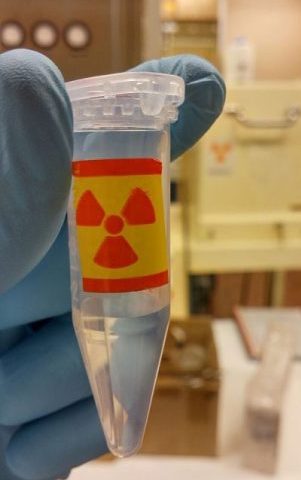
Over the last 5 years, the radiopharmaceutical sector has seen significant global growth, with discoveries transforming cancer diagnostics and treatment through the targeted use of radiation. Methods to deliver radiation are becoming more precise, controlled, and effective, targeting tumor cells directly while sparing healthy tissue. Three seminal trials have propelled radiopharmaceutical therapy into the mainstream, transitioning the experimental use of radioligand therapy into a core oncological treatment modality. This article will give an overview of these trials, considering how radiopharmaceutical imaging services are accelerating the development of targeted therapies.
The rise of radiopharmaceutical therapy
According to the International Atomic Energy Agency (IAEA), radiopharmaceuticals are drugs that contain radioactive forms of chemical elements, namely radioisotopes. Radiopharmaceuticals can be used for both the diagnosis and treatment of several medical conditions, a term which is now known as ‘Theranostics’ (Therapeutic and diagnostic). Theranostics is the process of combining nuclear imaging to determine patient eligibility with targeted therapy to deliver precision treatment. What sets this apart from external beam radiation is the ability to target specific biological pathways or receptors, minimizing damage to healthy cells. This precision has come following improved targeting and tracer design and advances in imaging technologies, making radiopharmaceutical therapy an extremely attractive area for research and development. An increase in funding and pharmaceutical focus has resulted in a number of key clinical milestones, particularly in the context of solid tumors such as neuroendocrine and prostate.
Top 3 milestone radiopharmaceutical therapy trials
1. Lutathera – NETTER-1/NETTER-2 Trials
The Food and Drug Administration (FDA) granted approval of Lutathera (lutetium Lu 177 dotatate) in 2018 following results from the NETTER-1 trial. Lutathera delivers targeted radiation to neuroendocrine tumor (NET) cells, with high specificity for somatostatin receptors, enabling effective tumor treatment with limited collateral damage to healthy surrounding tissues. Somatostatin is a naturally occurring hormone which regulates the endocrine system and inhibits the release of several other hormones; neuroendocrine tumor cells often overexpress somatostatin receptors, allowing Lutathera to bind selectively to these cells and deliver radiation directly to the tumor site. This approval marked a significant milestone for radiopharmaceutical therapy, being the first FDA-approved radioligand therapy for use in neuroendocrine tumors, specifically GEP-NET. GEP-NETs are tumors that can develop in the pancreas or other parts of the gastrointestinal tract.
2. Pluvicto – VISION Trial
The second milestone trial is the VISION trial, which resulted in FDA approval of Pluvicto (lutetium Lu 177 vipivotide tetraxetan) for an extremely difficult-to-treat subset of prostate cancer, prostate-specific membrane antigen (PSMA)-positive metastatic castration-resistant prostate cancer (mCRPC) in 2022. Reserved for patients who had already undergone chemotherapy, this treatment discovery was monumental for many reasons. The first FDA-approved PSMA-targeted radioligand therapy, Pluvicto, expanded the role of radiopharmaceutical therapy in late-stage cancer, where treatment options are notoriously limited. This trial also required the use of PSMA PET imaging to identify eligible patients, a key driver of contemporary theranostics, which has become a major differentiator for radiopharmaceuticals.
3. Pluvicto – PSMAfore Trial
Building on this success, Pluvicto, originally limited to the treatment of men with PSMA-mCRPC who had already tried other therapies, was approved in 2025 in the pre-chemotherapy setting following results from the PSMAfore Trial. The FDA expanded the application to include patients with mCRPC who had not yet received chemotherapy, marking a significant shift towards the use of radiopharmaceutical therapy earlier in the treatment pathway. This advancement highlights how radiopharmaceuticals are reshaping oncology, offering a more targeted and effective therapeutic approach, which can now be introduced first-line.
Imaging-enabled insights
All of these approvals hinged on advanced imaging infrastructure. Imaging was critical within the NETTER trials, to determine trial eligibility via Ga-68 DOTATATE PET scans, and for post-treatment monitoring. The VISION trial required PSMA PET scan positivity prior to treatment, with imaging driving patient selection, therapy matching, and quantitative endpoint review. And the recent advancements identified through the PSMAfore trial were again entirely enabled by the radiopharmaceutical trial design, in which advanced imaging was key to its success.
The complexity of radiopharmaceutical imaging
While pharmaceutical companies, contract research organizations (CROs), and sponsors are scrambling to keep up with this rapidly evolving sector, they are met with many challenges. Clinical trials involving radiopharmaceutical therapies are some of the most technically demanding trials in all of drug development, for a number of reasons, including:
- Coordination across multiple specialties
- Strict adherence to radiation safety protocols
- Precise timing in the manufacture, delivery, and administration of radioactive compounds
- Nuclear medicine infrastructure
- Centralized imaging management is required for PET imaging, dosimetry, and target expression qualification
- Radiotracer supply chain coordination
- Strict regulatory compliance
- Harmonization of imaging protocols across countries
These trials utilize targeted radioactive agents that require deep operational, regulatory, and imaging-specific expertise. Coordinating the moving parts needed to conduct effective and compliant radiopharmaceutical therapy trials is not always feasible, especially for more generalized CROs or research sponsors. Without nuclear medicine embedded in an organization’s capabilities, conducting these trials can be exceedingly difficult, underscoring the need for an experienced imaging partner.
Accelerating innovation through strategic imaging partnership
An imaging partner who understands what it takes to set up and manage radiopharmaceutical therapy trials could be instrumental in the success of an organization’s research. Choosing a partner who has specialized radiopharmaceutical imaging services, knowledge of nuclear medicine, and most importantly, experience conducting radiopharmaceutical therapy trials can make a big difference.
One possible imaging partner is Perceptive Imaging. Perceptive Imaging brings over 15 years of experience in radiopharmaceutical trial imaging support, with proven industry leadership in radioligand therapy and a robust team of in-house clinicians, dosimetrists, and imaging scientists. Partnering with Perceptive or another experienced imaging partner would help ensure operational excellence, from protocol development through to endpoint analysis and regulatory submission.
Learn more about Perceptive Imaging Services today, or contact an imaging solutions specialist.
Header Image Source: https://commons.wikimedia.org/wiki/File:Radiopharmaceutical.jpg
Edited by Jessica Desamero
References
International Atomic Energy Agency (IAEA) What are Radiopharmaceuticals? https://www.iaea.org/newscenter/news/what-are-radiopharmaceuticals
Food and Drug Administration (FDA) FDA approves new treatment for certain digestive tract cancers. https://www.fda.gov/news-events/press-announcements/fda-approves-new-treatment-certain-digestive-tract-cancers
The New England Journal of Medicine. Phase 3 Trial of 177Lu-Dotatate for Midgut Neuroendocrine Tumors. https://www.nejm.org/doi/full/10.1056/NEJMoa1607427
The New England Journal of Medicine. Lutetium-177–PSMA-617 for Metastatic Castration-Resistant Prostate Cancer. https://www.nejm.org/doi/full/10.1056/NEJMoa2107322
The Lancet. Lu-PSMA-617 versus a change of androgen receptor pathway inhibitor therapy for taxane-naive patients with progressive metastatic castration-resistant prostate cancer (PSMAfore): a phase 3, randomised, controlled trial. https://www.thelancet.com/journals/lancet/article/PIIS0140-6736(24)01653-2/abstract https://www.fda.gov/drugs/resources-information-approved-drugs/fda-expands-pluvictos-metastatic-castration-resistant-prostate-cancer-indication
 OncoBites

Leave a comment