Reading time: 5 minutes
Mariella Careaga
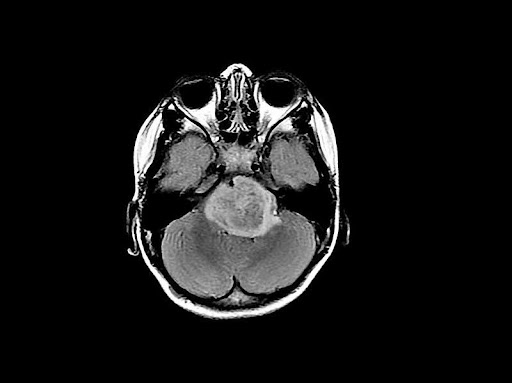
Glioblastoma is a highly aggressive form of cancer that accounts for nearly half of all primary malignant brain tumors in adults (1). Patients diagnosed with this deadly brain cancer have an average survival rate of only 8 months, and it is estimated that glioblastoma claims the lives of more than 10,000 people in the United States annually (2).
Scientists have been trying to uncover glioblastoma’s tricks and improve patients’ outcomes for years; yet, the tumor’s fast-growing and invasive nature, along with its diverse cellular composition and location in the central nervous system, have posed many challenges to these efforts.
Over the past few years, researchers have recognized the key role that the tumor microenvironment plays in glioblastoma’s progression and resistance to treatment (3). Macrophages — white blood cells known for their ability to destroy microbes and remove cellular debris — are the most abundant immune cell population in the tumor microenvironment. Previous studies suggest that some subtypes of tumor-associated macrophages (TAMs) contribute to the transition of glioblastoma cells to their more aggressive mesenchymal phenotype (4), while other subpopulations are associated with improved patient survival (5). Nonetheless, scientists still know little about the functions and diversity of TAMs in the glioblastoma context.
In a paper published in the scientific journal Cell, an international team of researchers used different experimental approaches to decipher the crosstalk between TAMs and brain tumor cells. They showed that glioblastoma cells hijack a subset of TAMs to ingest and process extracellular lipids that promote tumor cell survival and proliferation. These macrophages also help maintain an immunosuppressive tumor microenvironment that favors the cancer cells (6). The findings provide an in-depth look at a key cellular interplay that fuels glioblastoma progression, opening new promising avenues for treating this deadly brain tumor.
To better understand the diversity of TAMs in the tumor microenvironment, the team used single-cell transcriptomics to identify the macrophage subtypes present in samples from two genetically engineered mouse models of glioblastoma. Consistent with previous studies, they found a diverse population of macrophages. Closer examination of these cells revealed a specific subpopulation that showed an increase in the expression of genes associated with lipid metabolism, including its storage and transport. By correlating the gene expression signature of these lipid-laden macrophages with their location in the tumor, the researchers observed that the cells were located in low-oxygen niches and in close proximity to mesenchymal-like tumor cells, an aggressive glioblastoma phenotype associated with poor prognosis (7).
The close proximity of these macrophages to the cancer cells suggested that they might interact with each other. To explore this idea, the team conducted experiments using bone marrow-derived macrophages and tumor cells, and found that signals from the tumor microenvironment instructed the macrophages to ingest more fragments of myelin — the cholesterol-rich layer that surrounds nerve fibers in the brain and spinal cord. This, in turn, led to the accumulation of cholesterol inside these immune cells and the downregulation of many enzymes involved in cholesterol production.
But the myelin-derived lipids did not stay inside these lipid-scavenging TAMs for long. The researchers found that these macrophages either transferred these lipids directly to the tumor cells or leaked them into the fluid surrounding the cells, from where the glioblastoma cells could take them up using specific membrane receptors.
What’s more, when the team co-cultured macrophages and glioblastoma cells in the presence of myelin, the tumor cells increased the expression of genes involved in cell cycle and proliferation. On the other hand, when macrophages were removed from the cultures, the brain tumor cells were unable to engulf myelin and showed reduced proliferation. These results suggest that brain tumor cells co-opt lipid-scavenging macrophages to: 1) process myelin into cholesterol-derived lipids that are transferred to the tumor cells to promote tumor growth; and 2) help protect glioblastoma cells from myelin toxicity by reducing its levels in the tumor microenvironment.
A closer look at the gene expression profile of the lipid-laden TAMs also revealed that they contribute to the tumor’s immunosuppressive microenvironment. Not only did these cells exhibit downregulation of genes associated with inflammation, but they also showed increased expression of molecules involved in the suppression and exhaustion of the immune response.
While these findings suggested that lipid-rich macrophages play important roles in glioblastoma progression, their clinical relevance was unclear. To answer this question, the researchers first treated glioblastoma-bearing mice with a drug that blocks the lipid exchange between lipid-laden TAMs and brain tumor cells. Glioblastoma-bearing mice treated with the drug lived longer than untreated glioblastoma-bearing animals. Given that recent clinical studies suggest that some subsets of glioblastoma patients benefit from immune checkpoint blockade (ICB) therapy, a type of immunotherapy that enables immune cells to keep fighting cancer cells (8,9), the team then asked whether lipid-laden macrophages could predict a patient’s response to ICB therapy. As no data were available on the response of glioblastoma patients to immune checkpoint blockade therapy, they looked at publicly available data from melanoma patients and found that lipid-laden TAM levels predicted treatment response, with higher levels of these cells being associated with no response to immunotherapy.
As highlighted by other researchers in a commentary published in the Signal Transduction and Targeted Therapy journal (10), these findings provide evidence for the importance of macrophage-mediated myelin recycling in glioblastoma malignancy and point to potential therapeutic avenues that could be explored to develop new treatments and improve existing ones.
Header Image Source: NIH Image Gallery; credit: Michelle Monje, M.D., Ph.D., Stanford University
Edited by Anna Salamero Boix
References
1. Schaff LR, Mellinghoff IK. Glioblastoma and Other Primary Brain Malignancies in Adults: A Review. JAMA. 2023;329(7):574-587. doi:10.1001/jama.2023.0023
2. National Brain Tumor Society. About Glioblastoma. National Brain Tumor Society. Published 2023. Accessed February 26, 2025. https://braintumor.org/events/glioblastoma-awareness-day/about-glioblastoma/
3.White J, White MPJ, Wickremesekera A, Peng L, Gray C. The tumour microenvironment, treatment resistance and recurrence in glioblastoma. J Transl Med. 2024;22(1):540. Published 2024 Jun 6. doi:10.1186/s12967-024-05301-9
4. Hara T, Chanoch-Myers R, Mathewson ND, et al. Interactions between cancer cells and immune cells drive transitions to mesenchymal-like states in glioblastoma. Cancer Cell. 2021;39(6):779-792.e11. doi:10.1016/j.ccell.2021.05.002
5. Karimi E, Yu MW, Maritan SM, et al. Single-cell spatial immune landscapes of primary and metastatic brain tumours. Nature. 2023;614(7948):555-563. doi:10.1038/s41586-022-05680-3
6. Kloosterman DJ, Erbani J, Boon M, et al. Macrophage-mediated myelin recycling fuels brain cancer malignancy. Cell. 2024;187(19):5336-5356.e30. doi:10.1016/j.cell.2024.07.030
7. Behnan J, Finocchiaro G, Hanna G. The landscape of the mesenchymal signature in brain tumours. Brain. 2019;142(4):847-866. doi:10.1093/brain/awz044
8. Arrieta VA, Dmello C, McGrail DJ, et al. Immune checkpoint blockade in glioblastoma: from tumor heterogeneity to personalized treatment. J Clin Invest. 2023;133(2):e163447. Published 2023 Jan 17. doi:10.1172/JCI163447
9. Immune checkpoint inhibitors. National Cancer Institute. Reviewed April 7, 2022. Accessed February 21, 2025. https://www.cancer.gov/about-cancer/treatment/types/immunotherapy/checkpoint-inhibitors
10. Pagano Zottola AC, Daubon T, Venkataramani V. Inside help for brain tumors: macrophage-mediated myelin recycling promotes cell state-specific glioblastoma progression. Signal Transduct Target Ther. 2024;9(1):355. Published 2024 Dec 4. doi:10.1038/s41392-024-02055-0
 OncoBites
Leave a comment