Reading time: 8 minutes
Nicholas A. Egan
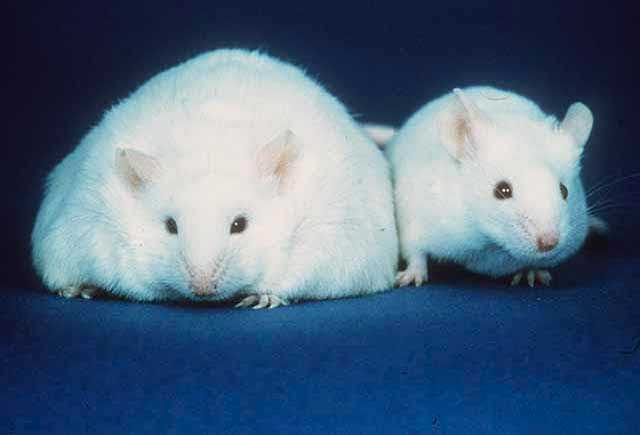
Obesity is a rising global health epidemic, with the number of obese adults doubling since the 1990s and the number of adolescents living with obesity quadrupling. This amounts to one in every eight people in the world living with obesity. Obesity comes with myriad other health issues. Specifically, obesity has been linked to multiple chronic diseases, such as fatty liver disease, chronic kidney disease, diabetes mellitus, and cardiovascular diseases. It is also a comorbidity for many other bacterial and viral infections, the most notable recent example being COVID-19.
And, of course, there is the link between obesity and cancer. But this link may not be as straightforward as you may think. In fact, one could say it is quite a paradox.
The term “obesity paradox” began cropping up in the early 2000s regarding cardiovascular health [2,3]. To keep this detour brief: early findings suggested that patients with obesity had a higher rate of survival compared to patients with lower body mass index (BMI), even though they had adverse clinical conditions like hypertension, diabetes, and hypercholesterolemia.
These findings challenged the conventional wisdom and prevailing school of thought, raising more questions than answers. But what does this have to do with cancer?
This paradoxical relationship does not just apply to cardiovascular disease. It also seems to be tied to the new therapeutic craze that is sweeping the nation: immune checkpoint inhibitor (ICI) therapies! Okay, so they’re not that new. In fact, this March marks the 16-year anniversary of the Food and Drug Administration (FDA) approval of ipilimumab, a cytotoxic T lymphocyte associated protein 4 (CTLA4) inhibitor. If you have been reading OncoBites for some time, you are probably aware that ICIs are very much the new trend in cancer treatment, and for good reason.
Since the initial FDA approval of ipilimumab, there have been multiple approvals for monoclonal and combination antibody treatments that target immune checkpoints like programmed cell death protein 1 (PD-1), programmed death ligand 1 (PD-L1), CTLA4, and lymphocyte activation gene 3 (LAG3)[4]. These drugs have improved outcomes for myriad cancer types, including melanoma, colorectal cancer (CRC), non-small cell lung cancer (NSCLC), small cell lung cancer (SCLC), and hepatocellular cancer (HCC), to name a few[5]. While these therapeutics have demonstrated durable responses in these cancer types, they are not effective for all patients. ICI therapeutic success depends on demographic factors such as sex[6] and BMI[7], as well as biological factors like cell surface markers. And it is the paradoxical relationship between BMI and success rates of ICI therapies that is the topic I would like to focus on.
As I discussed earlier, obesity is definitely a risk factor that could contribute to cancer development. But the paradoxical part is that patients who have a BMI exceeding 35 with cancer treated with ICI therapies seem to be responding better than those who have lower BMIs[7]. This meta-analysis compiled 13 different studies, combining data from over 5,200 patients with cancer. These patients were from clinical trials that focused on NSCLC, melanoma, renal cancer, and two trials that were a mix of cancer types. Among all of the trials, there was a positive relationship between overall survival (OS) and BMI (with those considered “high BMI” to be those exceeding a BMI of 35). Not only did this meta-analysis show a positive relationship between BMI and OS, but there was also a positive relationship between BMI and progression-free survival (PFS). So the question remains; what is causing this phenomenon? The answer to this question is obviously quite complicated, but preclinical work done by Peining et al. from Saint Louis University School of Medicine offers a potential contributor to the obesity paradox[1].
Specifically, this group examined the relationship between obesity and T cell dysfunction, and whether or not said dysfunction could be reversed through weight loss and a change of diet. To do this, they fed mice on a specific diet that was high in fats and sugar to mimic a western diet (WD) and compared these mice to those fed with a normal chow (NC) diet. The scientists fed the mice their respective diets for 12 weeks and collected readouts such as changes in weight, liver damage, and cholesterol levels. Additionally, they collected tumor-infiltrating lymphocytes (TILs), which are a type of CD8+ T cell, and performed single-cell RNA sequencing to compare the T cell activity in mice on WD to those on NC diet treatments. While the fat mass and liver damage and cholesterol readouts were about what you would expect (higher for mice on WD), they found that the TILs from mice on NC had higher surface markers that indicated T cell exhaustion, a state of impaired function of the T cell.
Furthermore, tumor growth difference was tested in WD-fed mice that had their diet switched back to an NC diet. In those mice that were given the diet switch, the investigators saw a significant drop in body mass, cholesterol, along with alanine transaminase and aspartate transaminase (ALT/AST) levels in the blood, which measure liver damage, after only two weeks of NC diet. Additionally, they also looked at the effect these diets have on tumor growth in mice and how these diets impact the effectiveness of immune checkpoint inhibitors. Here they saw that the high-fat, high-sugar WD did not positively impact the effectiveness of ICIs.
In fact, it had the opposite effect. Mice on WD had much larger tumors and were less responsive to immunotherapies compared to the NC mice and those initially on a WD but later switched to an NC diet. When looking at the markers for T cell activation (granzyme B, perforin, and interferon gamma) they saw the mice on WD had significantly lower amounts of these markers, indicating that the T cell-based immune system of the WD mice was much less effective compared to those mice on NC diet and those that were switched from WD to NC. These data align more closely with what clinicians would “expect” from obese patients and contradict the idea of the obesity paradox. So what gives?
To answer this, we need to know a little more about the cancer model this lab used for this experiment. They injected mice subcutaneously with B16 melanoma tumor cells. These cells were derived from a melanoma tumor that originally grew in an immunocompetent mouse that was on an NC diet. This matters because of concepts known as “immunosurveillance” and “immunoediting”[8]. To keep this simple, these ideas originated in the 1950s from Sir Macfarlane Burnet and Lewis Thomas, who posited that small tumors form all of the time, but they are being squashed by our healthy immune systems. This means that for a tumor to actually get to the point where it is an uncontrollable problem, it needs to be able to evade the immune surveillance of a healthy individual effectively. B16 cells had to arise in such an environment. They had to develop mechanisms to evade the immune system, so when they are placed in an environment with a less active adaptive immune system (as measured in WD mice via active T cell markers), these tumors can grow unchecked.
To test this theory further, Peining et al. looked at tumors that arose from within the mice by injecting a chemical, 3’-methylcholanthrene (MCA). Mice that were either fed the NC or WD for 12 weeks were injected with MCA and those mice were monitored for sarcoma formation. Additionally, this was done in Rag2-/- mice (mice that are genetically mutated and are unable to create fully active T cells) that were fed NC or WD. Here, they found that the genetically normal mice fed the NC diet had significantly less tumor formation compared to those on a WD. Also, the WD mice had a similar percent tumor formation to those Rag2-/- mutant mice (regardless of diet). This indicates that the high-fat and high-sugar WD leads to more tumor formation, which is dependent on T cell activity.
To determine whether tumors that developed in WD-fed mice underwent immune editing influenced by the original diet, they extracted MCA-induced tumors from mice on either a WD or NC diet and transplanted them subcutaneously into secondary healthy B6 mice maintained on an NC diet. They treated these secondary mice with anti-PD-1 ICI therapy and observed that mice injected with the WD tumors had a significantly reduced tumor growth and a significantly increased survival compared to those mice given the NC tumors. This indicates that the tumors that developed in these WD-fed mice were able to grow in a less aggressive immune environment and did not have to adapt in the way the tumors in the NC-fed mice did, making them more susceptible to a competent immune microenvironment.
These data provide some evidence as to what is causing the “obesity paradox” in the clinical setting. It also supports the clinical evidence that patients with obesity have a greater chance of developing cancer as well. But these tumors that develop are not as evasive of the immune microenvironment. The specifics of what about these tumors makes them less evasive requires more study. It could be due to the increased tumor mutational burden that was not originally caught by the T cells during tumor development [9]. Or it could be that differences in diet impact the metabolism of the immune cells themselves, causing an inhibitory effect on them during tumor development. Regardless of the root cause (or causes), more research needs to be done to characterize this relationship further, but the work done by Peining et al. certainly brings us one step closer to understanding the obesity paradox.
Header Image Source: https://commons.wikimedia.org/wiki/File:Fatmouse.jpg
Edited by Lavanyaa Manjunatha
References
- Piening, A., Ebert, E., Gottlieb, C. et al. Obesity-related T cell dysfunction impairs immunosurveillance and increases cancer risk. Nat Commun 15, 2835 (2024). https://doi.org/10.1038/s41467-024-47359-5
- Gruberg, L., Weissman, N. J., Waksman, R., Fuchs, S., Deible, R., Pinnow, E. E., Ahmed, L. M., Kent, K. M., Pichard, A. D., Suddath, W. O., Satler, L. F., & Lindsay, J., Jr (2002). The impact of obesity on the short-term and long-term outcomes after percutaneous coronary intervention: the obesity paradox?. Journal of the American College of Cardiology, 39(4), 578–584. https://doi.org/10.1016/s0735-1097(01)01802-2
- Lavie, C. J., Osman, A. F., Milani, R. V., & Mehra, M. R. (2003). Body composition and prognosis in chronic systolic heart failure: the obesity paradox. The American journal of cardiology, 91(7), 891–894. https://doi.org/10.1016/s0002-9149(03)00031-6
- FDA approves anti-LAG3 checkpoint. Nat Biotechnol 40, 625 (2022). https://doi.org/10.1038/s41587-022-01331-0
- Yap, T. A., Parkes, E. E., Peng, W., Moyers, J. T., Curran, M. A., & Tawbi, H. A. (2021). Development of immunotherapy combination strategies in cancer. Cancer Discov, 11(6), 1368-1397.
- Conforti, F., Pala, L., Bagnardi, V., De Pas, T., Martinetti, M., Viale, G., Gelber, R. D., & Goldhirsch, A. (2018). Cancer immunotherapy efficacy and patients’ sex: a systematic review and meta-analysis. The Lancet. Oncology, 19(6), 737–746. https://doi.org/10.1016/S1470-2045(18)30261-4
- An, Y., Wu, Z., Wang, N., Yang, Z., Li, Y., Xu, B., & Sun, M. (2020). Association between body mass index and survival outcomes for cancer patients treated with immune checkpoint inhibitors: a systematic review and meta-analysis. Journal of translational medicine, 18(1), 235. https://doi.org/10.1186/s12967-020-02404-x
- Dunn, G. P., Bruce, A. T., Ikeda, H., Old, L. J., & Schreiber, R. D. (2002). Cancer immunoediting: from immunosurveillance to tumor escape. Nature immunology, 3(11), 991–998. https://doi.org/10.1038/ni1102-991
- Yoo S, Chowell D, Valero C, Morris LGT, Chan TA. Outcomes Among Patients With or Without Obesity and With Cancer Following Treatment With Immune Checkpoint Blockade. JAMA Netw Open. 2022;5(2):e220448. doi:10.1001/jamanetworkopen.2022.0448
 OncoBites

Leave a comment