Reading time: 3 minutes
Muhammad Ayhan Murtaza
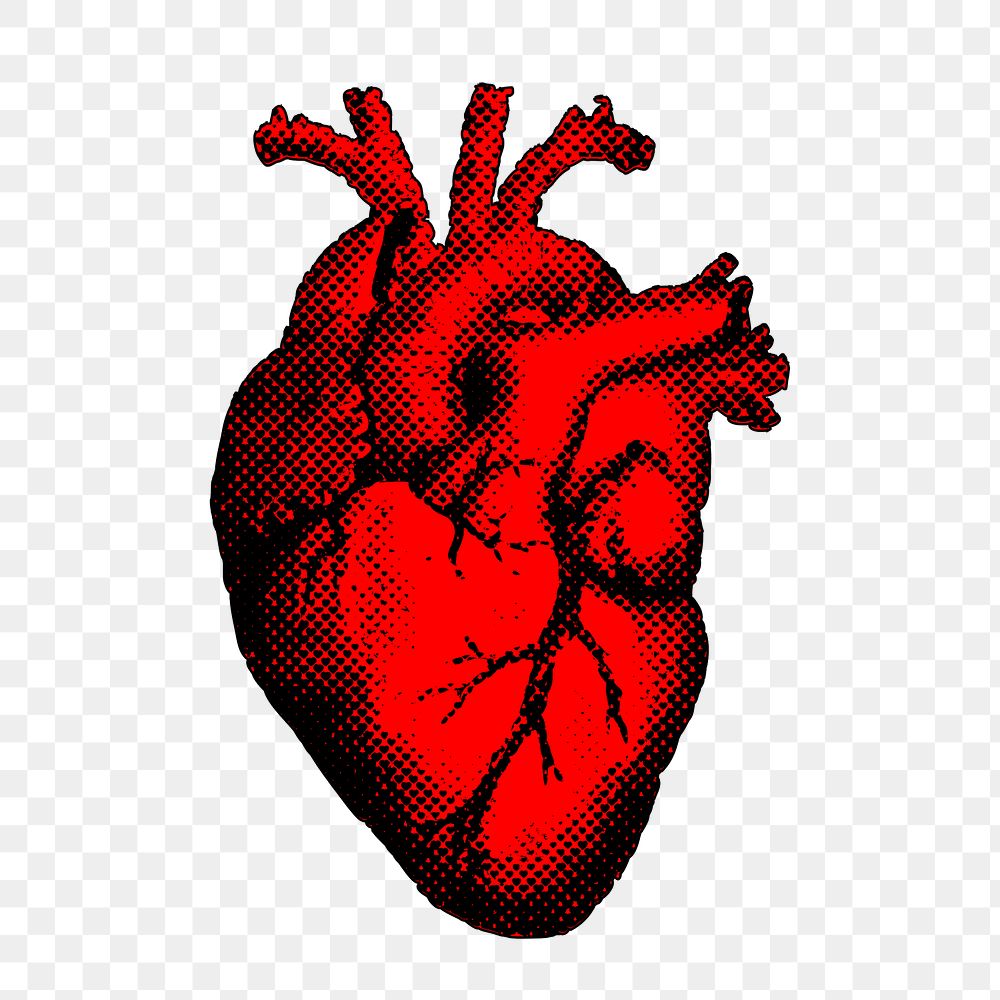
In Greek mythology, the heart was often seen as the seat of emotion and the source of life itself. The god Zeus, for instance, was known to follow his heart’s desires without hesitation. As Emily Dickinson famously wrote, “The heart wants what it wants – or else it does not care.” However, even the strongest hearts are not impervious to afflictions. When we think about heart health, terms like “heart attack,” “cholesterol,” and “hypertension” often come to mind. But one lesser-known aspect of heart health is cardiac tumors. These rare growths in the heart can affect anyone, regardless of age or fitness level.
What Are Cardiac Tumors?
Cardiac tumors, like all tumors, are abnormal growths in the heart. They can be classified into two main types: primary and secondary. Primary cardiac tumors originate in the heart itself, while secondary tumors spread to the heart from other parts of the body. Primary tumors are rare, and mostly benign (noncancerous) – they stay localized and do not migrate into other parts of the body. Malignant tumors (cancerous tumors which frequently migrate to multiple organs), such as sarcomas, are even rarer.
Primary Cardiac Tumors
Benign tumors are more common and include various types, each with distinct characteristics. Myxomas are the most frequent primary cardiac tumor and are typically found in the left atrium. Fibromas, often associated with genetic conditions like tuberous sclerosis, are common in children. Another tumor seen in infants and children is the rhabdomyoma, which is also linked to tuberous sclerosis. Papillary fibroelastomas are small tumors often found on heart valves, while hemangiomas are composed of blood vessels and usually discovered incidentally. Lipomas, made up of fat cells, can occur in any part of the heart. Lastly, paragangliomas (or chemodectomas) are rare and usually found in the atria or near the aorta.
On the other hand, malignant tumors of the heart are much rarer but more serious. The most common of these is the angiosarcoma, which is often located in the right atrium. Rhabdomyosarcomas, composed of skeletal muscle cells, can arise in various locations within the heart. Fibrosarcomas are also rare but can occur anywhere in the heart, similar to osteosarcomas, which are distinguished by the formation of bone tissue. Liposarcomas, composed of malignant fat cells, and mesotheliomas, which originate from the pericardium (the lining around the heart), are other forms of malignant cardiac tumors.
Secondary (Metastatic) Cardiac Tumors
Secondary tumors are more common than primary ones and usually spread from other cancers in the body — for example, Lung Cancer (the most common source of metastatic cardiac tumors), Breast Cancer, Kidney Cancer, Lymphomas, Leukemias etc.
Symptoms and Diagnosis
The symptoms of cardiac tumors can vary widely. Some people may experience chest pain, shortness of breath, or palpitations, while others might have no symptoms at all. Because of their rarity and the broad range of possible symptoms, cardiac tumors are often difficult to diagnose. Advanced imaging techniques like echocardiograms, MRIs, and CT scans are usually employed to detect these growths.
Treatment Options
Treatment depends on the type and location of the tumor. Benign tumors, like myxomas, are often removed surgically to prevent complications such as embolism, where pieces of the tumor break off and block blood vessels. Malignant tumors pose a more significant challenge and may require a combination of surgery, chemotherapy, and radiation therapy.
Living with a Cardiac Tumor
Living with a cardiac tumor can be daunting, but advances in medical technology and treatment options have improved outcomes. Regular check-ups and monitoring are crucial for managing the condition and ensuring that any changes are detected early.
Edited by Alex DeWalle
 OncoBites
Leave a comment