Reading time: 3 minutes
Sydney Scatigno
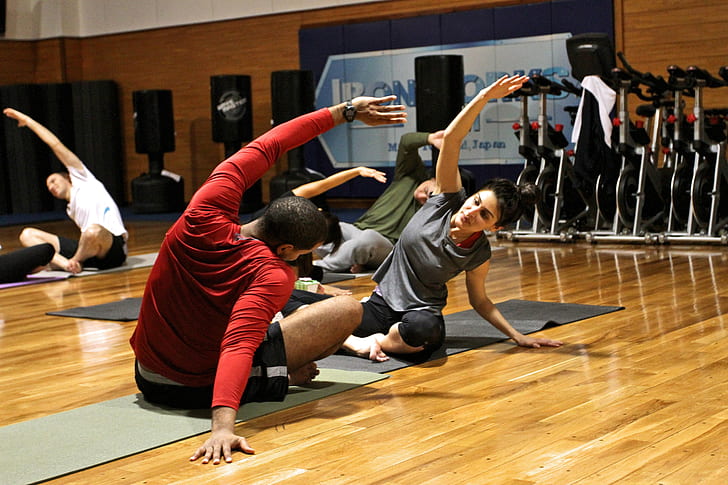
Why do people exercise? There are a number of reasons people choose to engage in physical activity like walking, running, lifting weights, or playing sports. The more obvious reasons can include losing weight, building muscle, or improving overall physical appearance, but can it help treat diseases like cancer? There is strong evidence that this could be the case.
To study the effects of exercise on cancer we must first understand what happens to the body when we exercise. In humans several physiological functions increase such as heart rate, blood pressure, blood glucose levels, and immune function. Immune function is the most important of all the physiological responses to cancer. There are several cancer treatments that call on immune cells (T cells, B cells, dendritic cells, and NK cells) to treat various cancer types. NK cells can also be mobilized via epinephrine administration, but it’s only part of the story.
Cytokines also play a role in the immune response when exercise is concerned. Interleukin-6 (IL-6) can have opposing effects. IL-6 can be pro-inflammatory during bacterial infections but also anti-inflammatory by “calling” IL-10 to circulate which acts as an immune suppressor. NK cells possess a receptor for IL-6 cells so while exercising it is speculated that IL-6 and epinephrine stimulation both contribute to the circulation of NK cells.
Researchers used several mouse tumor models to observe the effects of voluntary exercise, in this case wheel running, on the tumor development. The results showed that exercise was powerful enough to reduce tumor size or tumor development among various models like Lewis lung cancer and B16 melanoma. Upon further inspection of the tumors, it was found that the animals who exercised had a higher incidence of immune cells (T cells, B cells, dendritic cells, and NK cells) in the tumor environment versus the control group. To determine which immune cell type(s) were key in the anti-tumor response, researchers used nude mice, which have NK cells but lack T and B cells. They observed the same results, supporting the fact that NK cells can have potential to be “called” to tumors via exercise.
In humans, researchers have found a correlation in patients who exercised with a lower incidence of a broad range of cancers. There were two cancers, however, that did not correlate: melanoma and prostate cancer. It is likely that the patients that exercised experienced increased sun exposure or were more prone to visiting the doctor, resulting in an increased incidence in melanoma or prostate cancer, respectively, and also showed NK cell circulation increase with exercise.
Looking back at the B16 melanoma model referenced in mice, further studies showed that animals who exercised prior to tumor cell inoculation showed little to no tumor growth while exercise in parallel with inoculation only showed smaller tumors. These results lead to a conclusion that exercise prior to developing tumors increases the circulation of NK cells which can kill tumors quickly prior to forming solid tumors and spreading.
Further work is hoping to investigate exercise coupled with immune therapies to activate the immune system to fight cancer cells. If exercise can stunt tumor growth while the immune therapies further activate the immune system, we can attack the cancer more aggressively to work toward remission.
Conclusions from this research still leave room for a lot of questions to be answered as well. While mouse models suggest combination exercise and immune therapy as a promising strategy in human patients, we are not accounting for the level of activity that needs to be exerted from these patients who may not be well enough once the cancer has grown to achieve the necessary synergistic result.
Although there are some gaps in our knowledge, this research shows that while people exercise for a myriad of reasons, tumor growth prevention can be added to the list.
Edited by Mia Hubert
References
Idorn, M., thor Straten, P. Exercise and cancer: from “healthy” to “therapeutic”?. Cancer Immunol Immunother 66, 667–671 (2017). https://doi.org/10.1007/s00262-017-1985-z
Image Credits: https://www.pickpik.com/exercise-gymnasium-exercising-stretch-exercises-gym-53559
 OncoBites
Leave a comment